

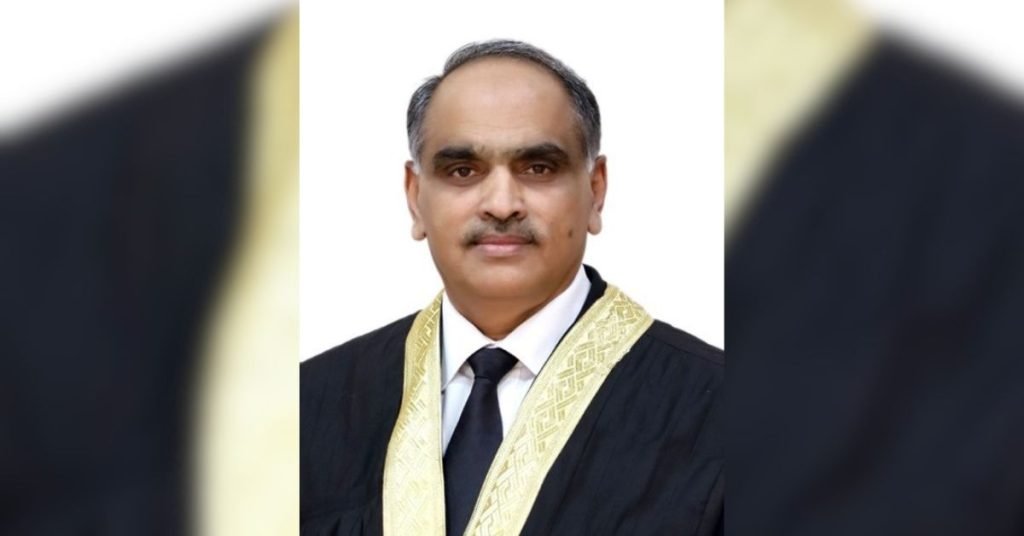

Justice Raja Inaam Ameen Minhas of the Islamabad High Court (IHC) expressed serious concerns regarding the recent amendments to the Prevention of Electronic Crimes Act (Peca). He specifically questioned the law’s criteria for identifying “fake news” and requested clarity on who would have the authority to make such determinations.
At the same time, several petitions challenging the amendments have been filed by journalists and media organizations. The petitioners claim that the changes undermine freedom of expression and concentrate excessive power in the hands of the executive.
Petitions Filed by Prominent Journalists
Senior journalist Hamid Mir, the Pakistan Federal Union of Journalists (PFUJ), and the Islamabad High Court Journalists Association (IHCJA) are among the petitioners. During the hearing, their counsel highlighted that the amendments transfer powers traditionally held by the judiciary to executive authorities.
Furthermore, the counsel emphasized that disputes over false information should be resolved by an independent judicial tribunal. This tribunal should form in consultation with the Chief Justice of Pakistan, instead of being controlled by executive authorities.
Concerns Over Section 2C
Justice Minhas specifically addressed Section 2C of the law, which prohibits false information on social media. He asked, “Who will decide what is fake or false?” and “How will proceedings begin?” Additionally, he requested details on standards and safeguards to prevent misuse.
In response, the petitioner’s counsel explained that both aggrieved parties and third parties can now file complaints under the amended law. He warned that this could lead to misuse. For example, proxies could submit complaints even without direct harm. Moreover, he noted that some fake information may result from honest mistakes that cause no damage.
Journalists Highlight Risks and Cases
During the proceedings, Rawalpindi-Islamabad Union of Journalists (RIUJ) President Asif Bashir Chaudhry addressed the court. He explained that PFUJ had filed its petition against Peca in February last year, yet the case remained pending.
He added that more than two dozen journalists received life sentences during this period. For instance, he cited a case where a journalist reported substandard road construction, which later led to the road’s demolition. Consequently, the risk of penalizing investigative reporting remains high.
Legislative Context and Court’s Observations
Justice Minhas emphasized that Peca is parliamentary legislation. Therefore, courts cannot suspend such laws through interim orders. The judge adjourned the hearing until March 6. He noted that the court would hear detailed arguments from all sides before reaching a decision.
International Concerns and Criticism
Since its introduction in 2016, Peca has faced criticism for targeting dissent. Last year’s amendments introduced harsher penalties for so-called “fake news.” Additionally, they expanded state oversight of digital platforms and created new regulatory bodies to monitor social media.
Amnesty International warned that the amendments could increase government control over Pakistan’s digital platforms. At the same time, the Human Rights Commission of Pakistan (HRCP) highlighted that the changes might limit fundamental rights. Additionally, in August 2025, the Senate Standing Committee on Information and Broadcasting raised concerns over the registration of FIRs and arrests of journalists under Peca.
