

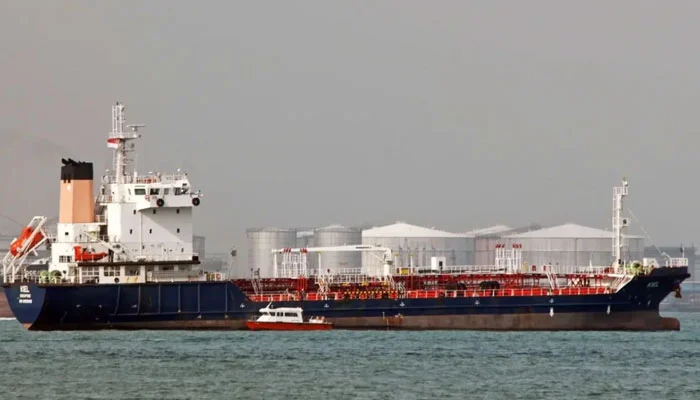

India’s coast guard intercepted three Iranian oil tankers in the Arabian Sea, according to multiple reports. The vessels were stopped about 100 nautical miles west of Mumbai during a coordinated operation. Authorities targeted what they called an international oil smuggling network.
Officials said the operation relied heavily on advanced surveillance technology. Using data-pattern analysis, they tracked suspicious vessel movements. Patrol units then located and stopped the ships at sea. Although the coast guard did not publicly disclose the tankers’ names or origins, tanker-tracking experts and Iranian media linked the vessels to Iran.
The coast guard explained that smugglers frequently transferred oil mid-sea in international waters. This allowed them to move low-cost oil to motor tankers and avoid paying duties to coastal states. Officials also noted that the tankers often changed their identities to escape detection. Such patterns triggered alarms during the surveillance operation.
Analysts Identify Tankers and Highlight Sanctions Concerns
Independent tracking firm TankerTrackers identified the seized vessels as AL JAFZIA, ASPHALT STAR, and STELLAR RUBY. All three, the firm reported, operate under United States sanctions. Additionally, STELLAR RUBY sailed under the Iranian flag. These details added pressure and scrutiny to the operation.
Meanwhile, Iranian media reported that the tankers were linked to Iran and detained for oil smuggling allegations. However, neither Indian authorities nor Iranian officials confirmed these reports. Therefore, questions about the vessels’ ownership and operational control remain unresolved.
The coast guard highlighted the broader security significance. Officials said the operation underscores India’s role in protecting regional maritime routes. They added that the country continues to provide maritime security and uphold a rules-based international order.
Geopolitical Shifts Influence Maritime Enforcement
This seizure follows recent regional economic changes. India withdrew from the Chabahar port agreement with Iran weeks ago. Reports said the decision followed new U.S. tariffs on countries doing business with Tehran. As a result, trade routes and regional partnerships face uncertainty.
Maritime operations often serve both security and economic goals. Authorities aim to stop illegal oil transfers and safeguard revenue. At the same time, energy supply chains remain sensitive to sanctions and international regulations. Consequently, monitoring activity in key sea lanes has intensified.
Investigation Continues as Analysts Monitor Developments
Authorities are actively investigating the seized tankers. They are reviewing cargo manifests, ownership details, and voyage records. Meanwhile, analysts closely watch for official statements from New Delhi and Tehran. The outcome could influence future maritime operations and shape regional cooperation in the energy sector.
