

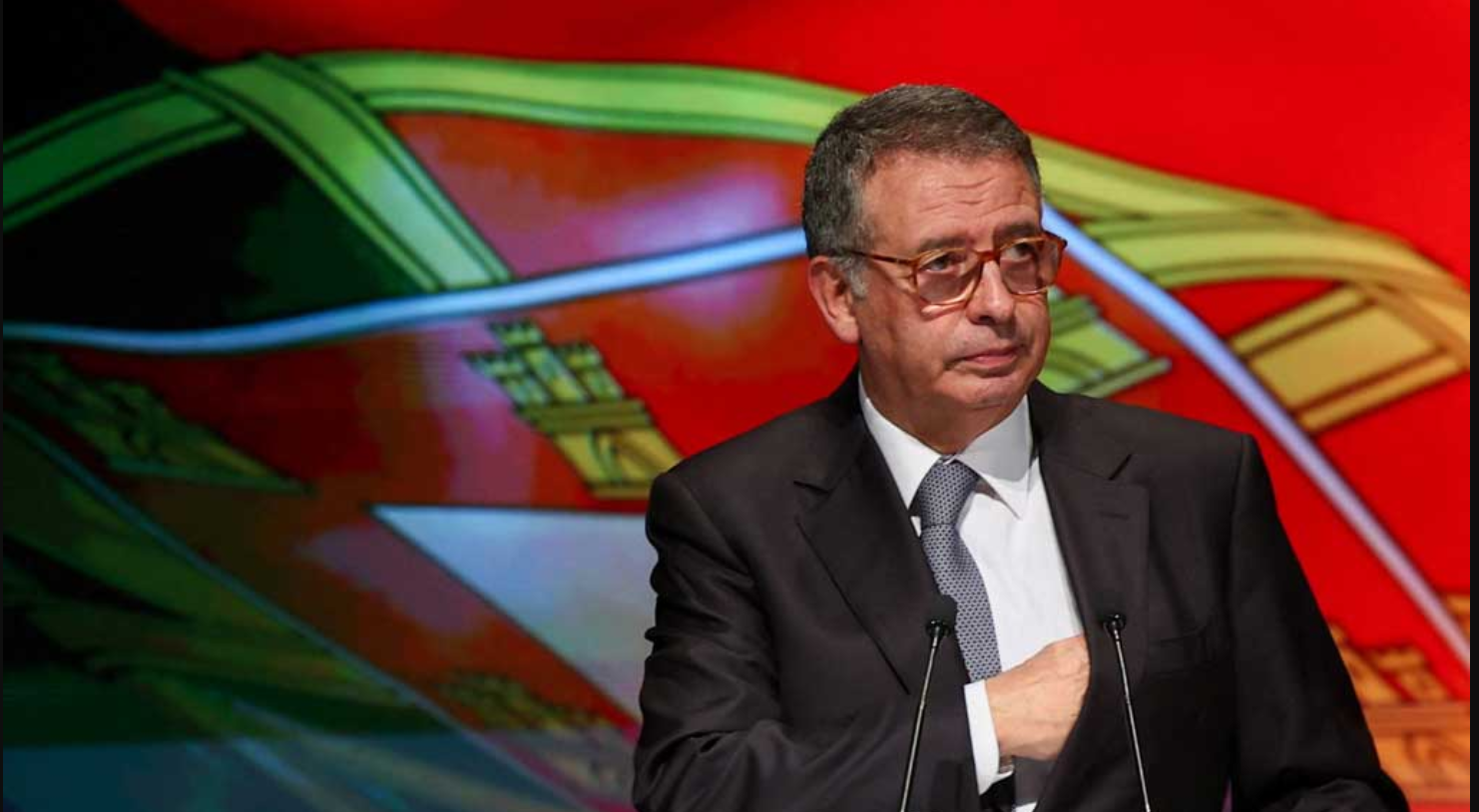

Moderate Socialist Antonio Jose Seguro has secured a decisive victory in Portugal’s presidential runoff, defeating far-right contender Andre Ventura. The election grants Seguro a five-year term, making him the first Socialist head of state in two decades. He succeeds conservative Marcelo Rebelo de Sousa, who completed two terms in office.
Seguro, 63, earned backing from prominent conservatives after the first round, amid widespread concern over Ventura’s populist and authoritarian tendencies. Addressing the media, he expressed pride in Portuguese voters’ commitment to freedom, democracy, and the nation’s future.
Voter Turnout Remains Steady Despite Storms
Adverse weather conditions, including a series of storms, did not significantly affect voter turnout. Overall participation was similar to the first round held on January 18, although some smaller municipalities postponed voting by a week due to floods.
With 95 percent of votes counted, Seguro captured 66 percent, while Ventura trailed at 34 percent. This marked a notable improvement for Ventura compared to the 22.8 percent his Chega party achieved in last year’s general election. Exit polls suggested Seguro’s share ranged between 67–73 percent, with Ventura at 27–33 percent.
Far-Right Chega Party Gains Momentum
Despite his defeat, 43-year-old Andre Ventura has increased his political support, reflecting the growing influence of the far-right in Portugal and across Europe. The charismatic former TV sports commentator claimed that the political establishment, both right and left, had united against him.
Nonetheless, Ventura indicated plans to lead the right-wing political space moving forward. Analysts suggest that while Chega has gained traction, potential centrist alliances could prevent the party from forming a government, even if it tops future elections.
Powers and Responsibilities of the Presidency
Portugal’s presidency is largely ceremonial but includes key powers such as dissolving parliament and blocking legislation under specific circumstances. Seguro positions himself as a moderate Socialist capable of mediating political crises and safeguarding democratic values.
He also warned that he would not approve the minority government’s proposed labour reforms without union consensus. Unions argue that the reforms favour employers at the expense of workers’ rights, while the government insists that changes are vital for productivity and economic growth.
Implications for Portugal’s Political Landscape
Seguro’s victory underscores a preference for moderation and stability among Portuguese voters, while Ventura’s improved performance highlights the far-right’s expanding base. The election results suggest a cautious balance: Portugal remains committed to democratic institutions, but populist movements are steadily gaining ground.
The presidential outcome will influence legislative dynamics, labour policies, and political alliances leading up to the next general election, ensuring that both centrist and right-wing actors play critical roles in shaping national governance.
