

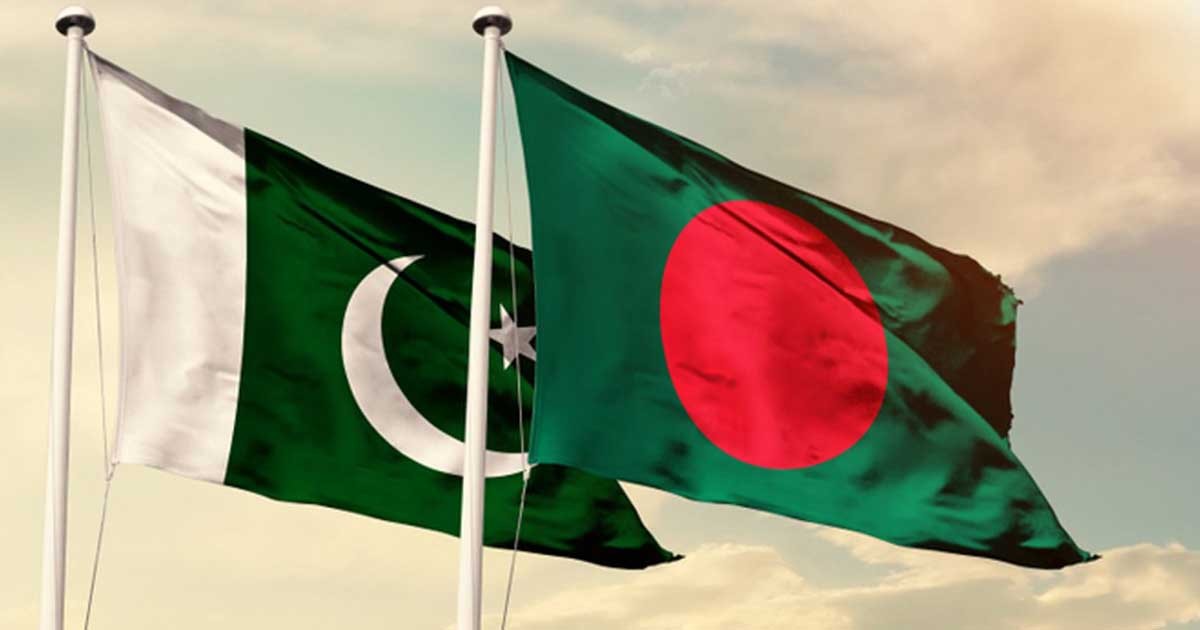

Bangladesh’s general election scheduled for February 12 is expected to carry major regional implications, with analysts suggesting the outcome could reshape South Asia’s strategic balance. The vote will be the country’s first since a student-led uprising removed former prime minister Sheikh Hasina from power in August 2024, ending more than a decade of increasingly authoritarian rule.
Relations with India have cooled sharply since New Delhi granted refuge to Hasina despite extradition requests from Dhaka. Consequently, the interim administration led by Nobel laureate Muhammad Yunus has accused India of undermining Bangladesh’s sovereignty. At the same time, Dhaka has intensified engagement with China and Pakistan, signalling a possible realignment in foreign policy.
Although Bangladesh maintained strong trade and defence ties with Beijing under Hasina, India long remained its most influential regional partner. However, observers say that the dynamic is now changing as geopolitical priorities shift.
China engagement accelerates amid strained ties
Analysts note that the interim government has moved decisively toward Beijing. Yunus chose China for his first official overseas visit, a gesture widely viewed as symbolic. In January, the two countries also signed a defence agreement linked to a proposed drone manufacturing facility near Bangladesh’s northern border with India.
According to experts, Beijing increasingly sees Bangladesh as central to its Bay of Bengal strategy. Meanwhile, Dhaka has rejected Indian claims of rising sectarian violence, accusing New Delhi of using the issue to interfere domestically.
Despite tensions, some analysts expect pragmatism to prevail. Engagement with Pakistan has resumed through direct flights, while Indian and Bangladeshi officials continue limited diplomatic exchanges. Experts believe any incoming government will prioritise stability, seeking to balance ties with China, India and Pakistan rather than provoke confrontation.
