

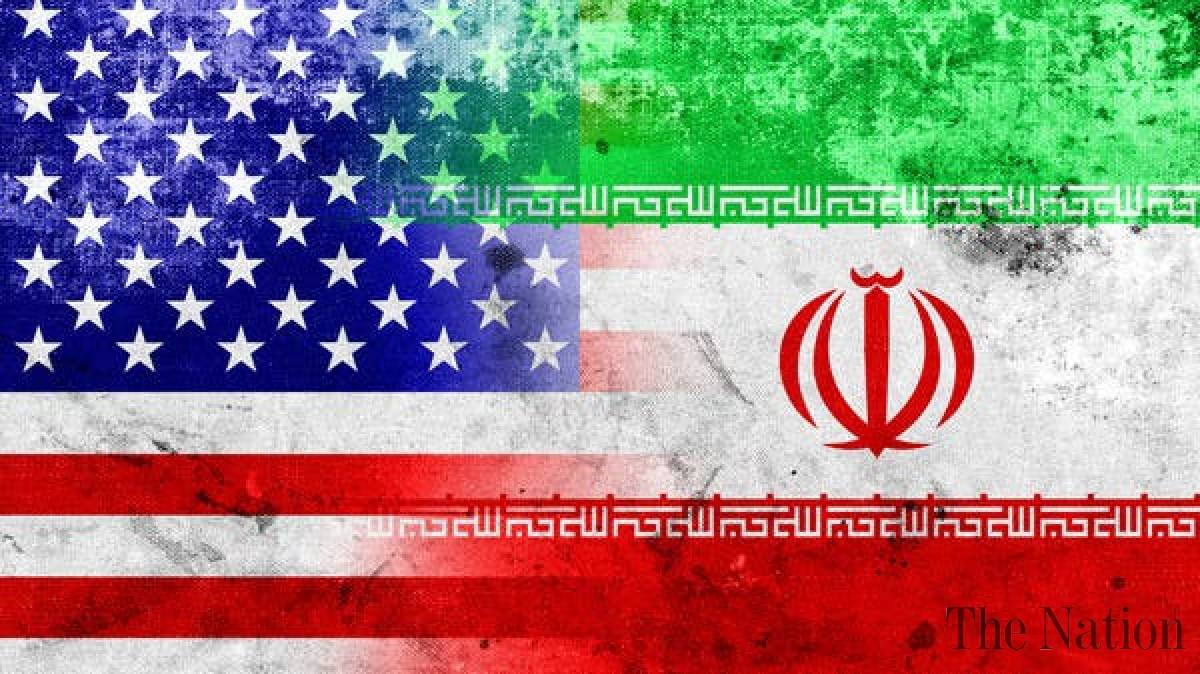

The United States has announced fresh sanctions targeting Iran’s oil exports. The move came moments after indirect talks between Washington and Tehran concluded in Oman. The timing has drawn attention from global observers and energy markets.
US officials said the new measures are part of an ongoing pressure strategy. The sanctions focus on Iran’s oil and petrochemical trade. Authorities claim oil revenues are used to finance destabilising activities. The announcement followed a full day of diplomatic engagement between the two rivals.
Despite the talks, Washington signaled it would maintain a hard-line approach. The latest action underscores the fragile state of US-Iran relations. It also highlights ongoing tensions surrounding Iran’s nuclear programme and regional influence.
US Targets Oil Transport Network and Foreign-Flagged Vessels
The US State Department said it will block transactions involving 14 vessels. These ships are accused of transporting Iranian oil. According to officials, the vessels operate under foreign flags.
The targeted ships are reportedly registered in Turkey, India, and the United Arab Emirates. US authorities claim the vessels are part of a broader network helping Iran bypass sanctions. Any financial dealings involving these ships will now be prohibited.
In addition to the vessels, the United States imposed sanctions on 15 entities. Two individuals were also added to the sanctions list. These measures aim to disrupt Iran’s ability to sell oil on international markets.
State Department spokesperson Tommy Pigott said Iran uses oil revenue to fund repression at home. He also accused Tehran of supporting destabilising activities abroad. He said cutting oil income remains a core US objective.
The US has repeatedly warned companies and governments against dealing with Iranian oil. Officials stressed that enforcement would remain strict. Violators could face severe penalties.
Trump Administration Reaffirms “Maximum Pressure” Strategy
President Donald Trump remains committed to reducing Iran’s oil exports. The State Department said the sanctions align with the administration’s “maximum pressure” campaign. The policy was first introduced during Trump’s earlier presidency.
Under this strategy, the US seeks to isolate Iran economically. The goal is to force Tehran back to the negotiating table. Oil and petrochemical exports remain a central focus of these efforts.
Since Trump’s first term, the US has pushed countries to stop buying Iranian oil. Many waivers granted under previous administrations were revoked. This significantly reduced Iran’s official oil exports.
Officials said the latest sanctions show continuity in US policy. They stressed that diplomacy does not mean reduced pressure. Instead, sanctions are seen as leverage during negotiations.
The administration has also increased military presence near Iran. Trump has previously warned of the possible use of force. These steps have added to regional tensions in recent months.
Talks in Oman Show Cautious Diplomatic Signals
Earlier on Friday, Iranian and US officials held indirect talks in Oman. The discussions focused on Iran’s nuclear programme. Mediators facilitated communication between the two sides.
Iran’s foreign minister described the talks as having a “positive atmosphere.” He said dialogue remains possible despite deep differences. No major breakthroughs were announced.
US officials did not publicly comment on the substance of the talks. However, the swift sanctions announcement suggested limited optimism. Analysts say the move reflects Washington’s distrust of Tehran’s intentions.
The talks come at a sensitive time for the region. Security concerns remain high across the Middle East. Energy markets are also watching developments closely.
Experts say future diplomacy will depend on trust-building steps. For now, sanctions and negotiations appear to be running in parallel. The situation remains fluid and unpredictable.
