

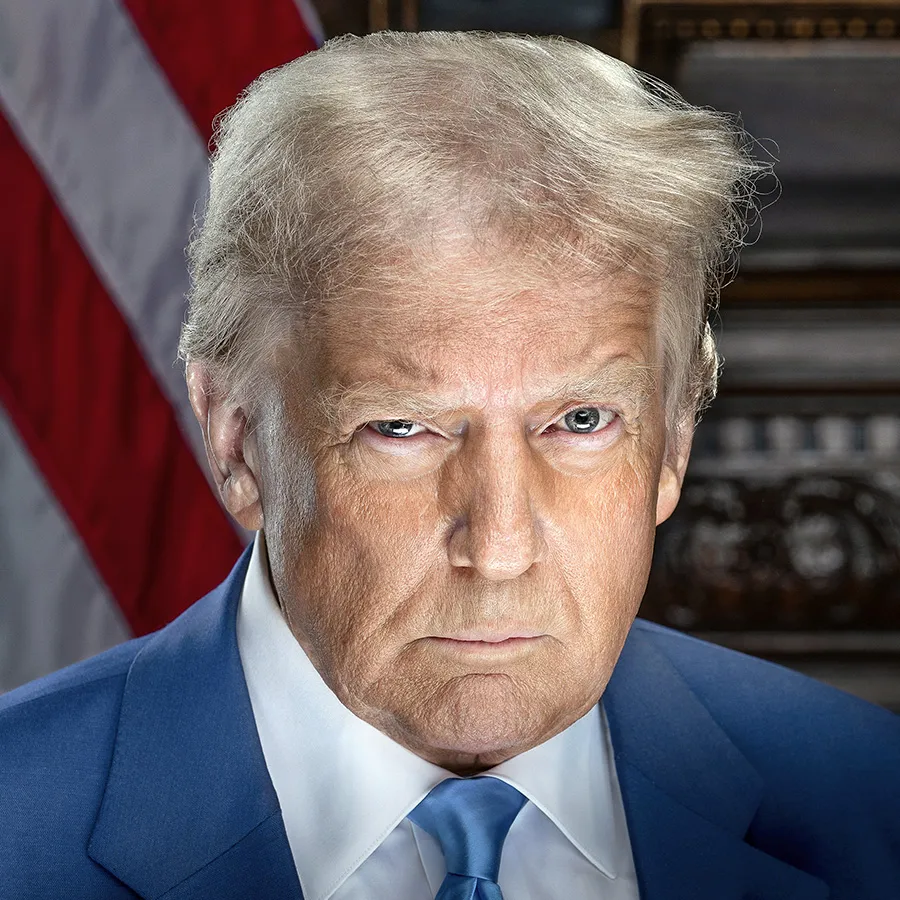

The United States has said President Donald Trump prefers diplomacy in dealing with Iran. However, officials warned that military options remain on the table if talks fail.
Diplomacy Remains First Choice
The White House said diplomacy is President Trump’s primary approach toward Iran. Officials said he wants to see whether a deal can be reached through dialogue. Talks are scheduled to take place in Oman amid rising regional tensions.
US officials stressed that negotiations remain the preferred path. However, they also emphasized that the president is prepared to consider other options if diplomacy fails.
High-Stakes Talks in Oman
Final preparations are underway for the talks in Muscat. The discussions come as the United States strengthens its military presence in the Middle East. President Trump previously described the buildup as a massive armada.
Despite disagreements over the agenda, both sides agreed to proceed. The uncertainty has raised doubts about the chances of reaching an agreement. Trump has warned of consequences if negotiations collapse.
Key Differences Between Both Sides
Washington wants talks to cover Iran’s missile program and other regional issues. Tehran insists discussions must focus only on its nuclear program. It remains unclear whether this disagreement has been resolved.
The White House reiterated that zero nuclear capability remains a core demand. Officials said the president hopes to reach a deal through negotiations. However, they warned Iran against testing US resolve.
Iran’s Position Ahead of Talks
Iran’s foreign minister traveled to Oman ahead of the meeting. Iranian officials said they aim for a fair and dignified agreement. They expressed hope that the United States would engage seriously and responsibly.
Iran said its nuclear activities are peaceful in nature. However, the United States and Israel continue to accuse Tehran of past weapons ambitions.
Rising Regional Tensions
Ahead of the talks, Iran announced the deployment of an advanced long-range ballistic missile. The move added to existing concerns across the region. The United States has urged Iran to accept limits on missile range.
Mutual warnings from both sides have alarmed regional governments. Several countries are working to prevent the situation from escalating into wider conflict.
International Diplomatic Efforts
Regional leaders have called for restraint and dialogue. Concerns over escalation were raised during diplomatic engagements across the Gulf. Several countries urged Iran to help stabilize the region.
China said it supports Iran’s right to peaceful nuclear energy use. It also opposed threats and sanctions pressure. Gulf states fear retaliation if conflict breaks out.
Military Pressure Continues
The United States has deployed thousands of troops to the region. Military assets include warships, fighter jets, and surveillance aircraft. Officials said these moves aim to deter aggression.
President Trump warned that serious consequences could follow if talks fail. He stressed that diplomacy remains open but not unconditional.
Conclusion
The upcoming Oman talks will test whether diplomacy can prevent escalation. President Trump continues to push for an agreement. However, military pressure remains a central part of the US strategy.
