

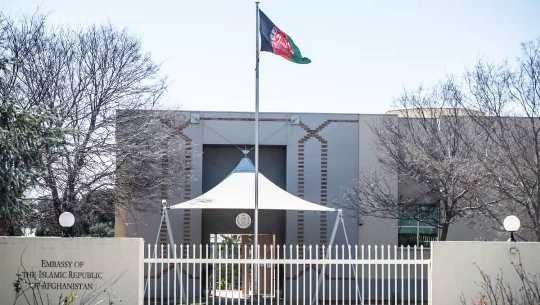

Canberra Refuses to Recognise Taliban Authority
Australia has announced the closure of its Afghan embassy in Kabul, marking another major diplomatic setback for the Taliban regime. The decision reflects Canberra’s continued refusal to recognise the Taliban as the legitimate government of Afghanistan.
According to Australian media outlets SBS News and The National Tribune, the embassy will officially cease its activities after June 2026. The move signals Australia’s long-term disengagement from diplomatic operations under Taliban rule.
Australia’s Department of Foreign Affairs and Trade confirmed that it will not accept any representative appointed by the Taliban. This includes honorary consular staff proposed by the current authorities in Kabul. Officials made it clear that no form of diplomatic recognition is being extended.
The Australian government has maintained a firm position since the Taliban returned to power. It has consistently raised concerns over human rights, governance, and the treatment of women and minorities. The embassy closure aligns with that policy stance.
Afghan Citizens Face Growing Diplomatic Barriers
Australian media reports highlighted concerns raised by the Refugee Council of Australia. The council said many Afghan citizens are fearful of approaching Taliban-run institutions for official documents. These include passports, visas, and identity papers.
Rights groups say Afghans living abroad are facing serious challenges. Many are unable to access consular services due to the lack of recognised diplomatic channels. The embassy closure is expected to worsen these difficulties.
Experts believe the decision is not merely administrative. They see it as a strong political signal of growing international distrust toward the Taliban regime. Analysts say countries are increasingly unwilling to engage with Kabul under current conditions.
Humanitarian organisations have also expressed concern. They warn that ordinary Afghans will bear the brunt of diplomatic isolation. Limited access to embassies affects travel, asylum applications, and family reunification.
Rising Global Isolation of the Taliban Regime
Since the Taliban’s return to power, Afghanistan has faced increasing diplomatic isolation. Several countries have already shut down Afghan embassies or downgraded relations. Others have refused to accept Taliban-appointed diplomats.
Experts say the closures point to a bleak outlook for Afghanistan’s economy and international standing. Global isolation has restricted foreign investment and aid. Economic paralysis has deepened poverty and unemployment across the country.
Many nations have also tightened refugee policies. Some have halted the acceptance of Afghan asylum seekers. Others have deported Afghans, citing security concerns and the Taliban’s extremist policies.
Analysts argue that the Taliban’s hardline approach has played a central role in this isolation. Restrictions on women’s education and employment remain a major obstacle. The lack of inclusive governance has further alienated the international community.
Australia’s decision adds to mounting pressure on the Taliban. It underscores the message that legitimacy requires reforms and respect for human rights. Until then, experts believe Afghanistan risks further isolation.
The embassy closure also reflects broader global trends. Diplomatic engagement with Kabul remains limited and cautious. Without significant policy changes, Afghanistan’s future on the world stage appears increasingly uncertain.
