

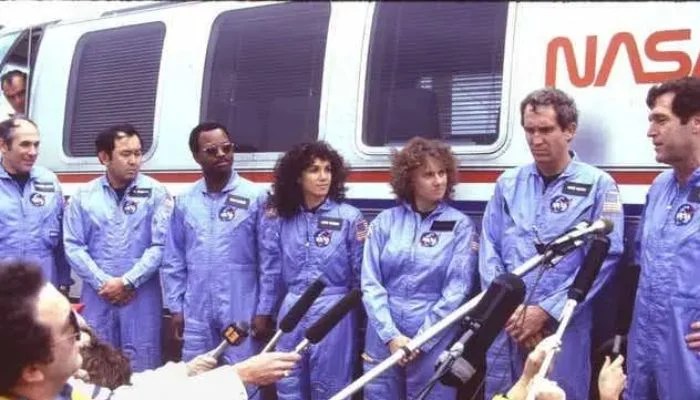

Challenger Disaster Still Shapes NASA’s Safety Mindset
Forty years after the Challenger space shuttle disaster, NASA is again facing serious safety questions. The agency is preparing to send astronauts beyond Earth’s orbit for the first time in more than five decades. The timing has revived painful memories of past failures and hard-earned lessons.
On January 28, 1986, the Space Shuttle Challenger exploded just 73 seconds after liftoff. All seven astronauts on board were killed instantly. The tragedy shocked the world and exposed major flaws in NASA’s engineering culture and decision-making process.
Investigations later revealed that safety warnings were ignored due to schedule pressure. Engineers had raised concerns about faulty components. These concerns were overridden to meet launch deadlines. Challenger became a turning point in spaceflight safety history.
The loss of the Columbia shuttle in 2003 further reinforced the need for reform. That disaster occurred during reentry and again claimed seven lives. Together, the two tragedies forced NASA to overhaul its safety systems. Independent oversight and stronger risk assessments were introduced.
Many current NASA engineers were children when Challenger exploded. Yet its lessons continue to influence training and internal discussions. As Artemis II approaches launch readiness, those lessons are once again under scrutiny.
Artemis II Mission Marks Historic Return Beyond Earth Orbit
Artemis II will be the first crewed mission to venture beyond low Earth orbit since Apollo 17 in 1972. The mission will carry four astronauts aboard NASA’s Space Launch System rocket and Orion spacecraft. Their goal is to orbit the Moon and return safely.
The mission represents a major milestone for NASA’s Artemis program. It also signals America’s return to deep space exploration. However, the mission has drawn attention for reasons beyond its historic importance.
During an uncrewed test flight in 2022, unexpected erosion was discovered on Orion’s heat shield. The heat shield is critical for protecting astronauts during reentry. The finding raised immediate concerns among aerospace experts.
Instead of redesigning the heat shield, NASA chose a different approach. The agency adjusted Artemis II’s reentry trajectory. Officials believe this change reduces heat exposure and risk. Critics argue that further testing should have been conducted.
Experts have questioned why a full redesign was not considered. Some have also raised concerns about limited risk reassessment. NASA officials maintain that their solution is sufficient and backed by analysis.
Safety Culture Tested Under Pressure and High Stakes
NASA acknowledges that spaceflight always carries risk. Agency officials say astronauts fully understand these dangers. NASA’s safety culture program manager stated that risk is inherent in exploration.
Despite decades of safety reforms, Artemis II is testing whether those changes endure under pressure. The Artemis program represents nearly $100 billion in investment. It also carries geopolitical and commercial significance.
The Moon has become a focal point for global space competition. Countries and private companies are racing to establish a presence. These pressures can influence timelines and expectations.
Observers note similarities between past and present challenges. Schedule demands and political attention remain strong forces. The key question is whether safety concerns can truly outweigh external pressure.
Artemis II is more than a space mission. It is a test of NASA’s commitment to safety-first decision-making. The mission will show whether lessons from Challenger and Columbia are still guiding choices today.
As launch preparations continue, public and expert scrutiny remains intense. The outcome of Artemis II could shape the future of human space exploration for decades.
