

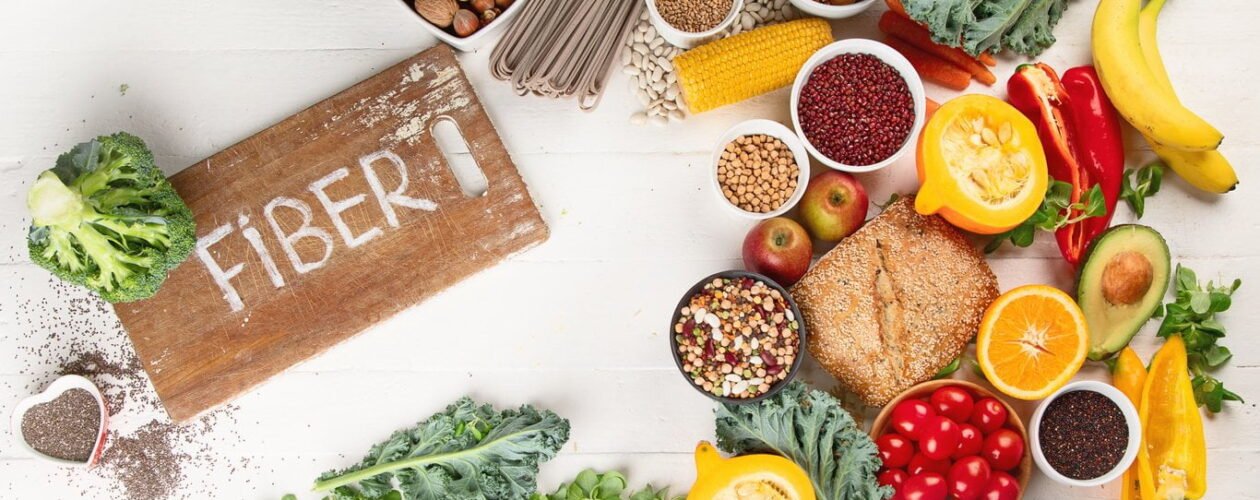

Health experts are urging people to increase their fiber intake, citing its essential role in supporting digestion and maintaining a healthy gut microbiome. Studies indicate that more than 90 percent of young people fail to consume enough fiber in their daily diets, raising concerns about long-term gastrointestinal health.
Fiber is a vital nutrient for gut, or gastrointestinal (G-I), health. According to Melissa Mendez, a registered dietitian at Parkland Health, the human intestines contain trillions of beneficial bacteria, collectively known as the microbiota, which play a crucial role in digestion, immunity, and overall well-being.
“These live organisms need prebiotics, which are essentially the food they eat,” Mendez explained. “By consuming fiber-rich foods, we give gut bacteria what they need to protect our bodies and keep us healthy.”
Mendez noted that fiber is the primary fuel for gut microbiota and comes in two main forms: soluble and insoluble. Soluble fiber dissolves in water to form a gel-like substance that feeds beneficial bacteria. Common sources include oats, bananas, and the flesh of apples. Insoluble fiber, found in foods such as celery, helps add bulk to stool, promoting regular bowel movements and aiding in intestinal cleansing.
“Both types of fiber are important,” Mendez said, adding that foods like spinach, pears, and apples with the skin contain a combination of soluble and insoluble fiber.
She cautioned against increasing fiber intake too rapidly, warning that a sudden jump can lead to bloating and gas. Gradual increases over days or weeks allow the digestive system to adapt more comfortably.
In addition to fiber, probiotics also support gut health. Fermented foods such as yogurt, kimchi, and sauerkraut introduce beneficial bacteria that aid digestion and strengthen immunity while providing nutrients like calcium, vitamin D, and protein.
Mendez advised against relying on fiber supplements, noting that they are not regulated by the FDA and may not accurately reflect their contents. Instead, she emphasized that a balanced diet rich in natural fiber sources and fermented foods is the most effective and safest way to maintain a healthy digestive system.
