

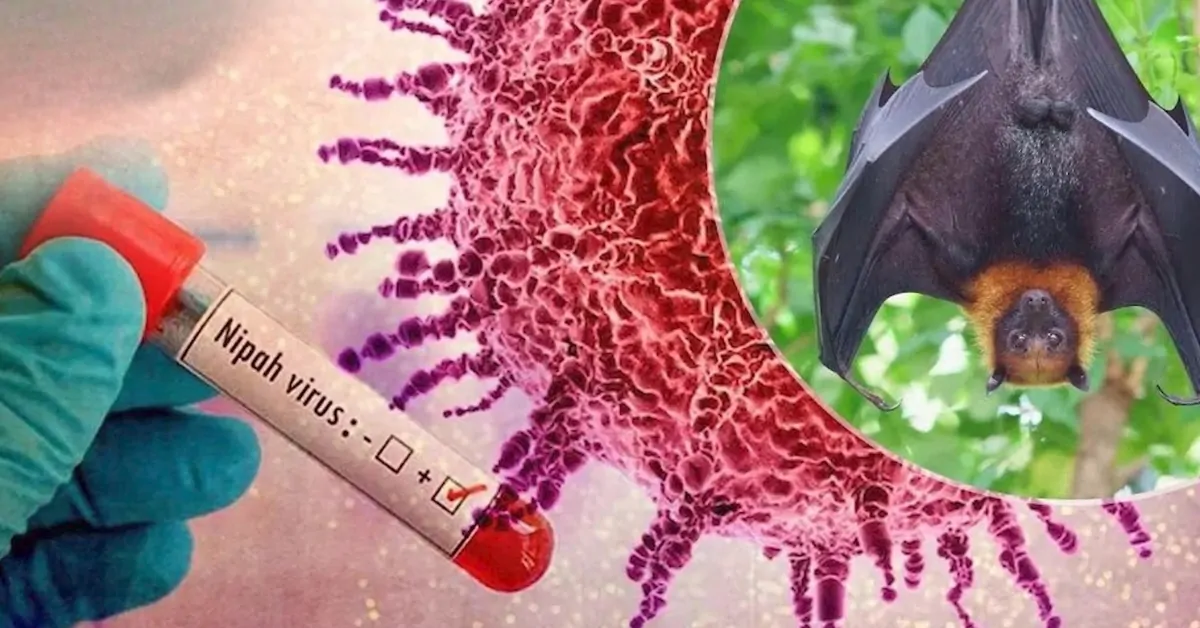

Health officials in India have confirmed two new cases of the Nipah virus in West Bengal. The cases involve two nurses working at a private hospital in the affected region. These are the first new infections since last week’s outbreak, which reported five cases. The World Health Organization (WHO) has described Nipah as a highly deadly virus. Experts warn that the virus can cause mild to severe illness, with a mortality rate ranging from 40% to 75%.
The latest infections have raised fresh concern as health authorities step up containment efforts. The patient linked to the new cases is reportedly in critical condition, according to local reports. Officials have initiated quarantine measures and intensified surveillance in the area to prevent further spread.
What Is Nipah Virus and How Does It Spread?
Nipah virus is a zoonotic infection, meaning it transfers from animals to humans. The virus naturally lives in fruit bats. WHO states that fruit bats are the main reservoir of Nipah. The virus can spread to humans through direct contact with infected animals or their secretions. Contaminated food sources, such as fruit or juice touched by bats, can also transmit the virus.
Human-to-human transmission is possible and has been documented in previous outbreaks. Close contact with infected individuals can spread the virus. This includes care in hospital settings or contact with bodily fluids.
The Centers for Disease Control and Prevention (CDC) explains that early symptoms are similar to common infections. Patients may experience fever, headache, cough, and sore throat. Respiratory problems can develop quickly. In severe cases, respiratory failure may occur. The virus can also cause encephalitis, which is brain swelling. Symptoms of encephalitis include confusion, drowsiness, seizures, and coma.
Symptoms typically appear within four to 14 days after exposure. This incubation period makes early detection difficult. Health officials must rely on rapid response and strict containment to limit spread.
No Cure Yet, Treatment Focuses on Supportive Care
There is currently no cure or vaccine for Nipah virus. Treatment is limited to supportive care. This means medical teams treat symptoms and provide intensive care as needed. Doctors may use ventilators for respiratory failure or medications to manage seizures.
Because the virus can spread in healthcare settings, hospitals are on high alert. Strict infection control measures are essential. Health workers must use protective gear and isolate suspected cases. Quarantine and contact tracing are also key strategies.
West Bengal authorities have begun tracking close contacts and monitoring symptoms. The goal is to prevent another wave of infections. Local hospitals are preparing for possible new cases.
The WHO has repeatedly warned about the high fatality rate of Nipah virus. With mortality rates between 40% and 75%, the virus remains one of the most dangerous zoonotic infections. Experts stress that early detection and strict containment are critical to saving lives.
As the situation develops, health officials are urging the public to stay vigilant. Avoiding contact with bats, contaminated fruits, and sick individuals can reduce the risk. Authorities also advise seeking medical help immediately if symptoms appear.
