

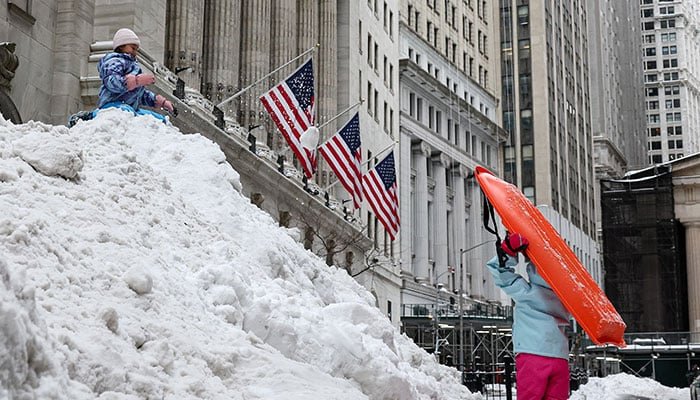

A massive winter storm left a trail of destruction across the United States. The storm brought heavy snow, freezing rain, and strong winds. It has killed at least 23 people and caused widespread power outages. Transportation networks were also severely affected. Cities and towns from New Mexico to Maine struggled to recover as dangerously cold temperatures moved in.
The National Weather Service warned that much of the northern US will remain below freezing through February 1. A frigid Arctic air mass has pushed south, bringing life-threatening cold to millions. Emergency officials urged people to stay indoors and check on vulnerable neighbors.
Snowfall and Strong Winds Leave Millions Stranded
The storm hit a vast area of the country. Snow piled up quickly in many regions. Connecticut recorded more than 22 inches of snow. Boston saw over 16 inches fall in a short period. The storm’s wet and heavy snow made travel nearly impossible.
Wind-driven snow reduced visibility and created dangerous conditions on roads. Many highways and local streets became blocked. Flights, trains, and buses were cancelled across multiple states. Thousands of travel schedules were disrupted, leaving travelers stranded.
In some areas, the storm brought ice and sleet. This created hazardous road surfaces and added weight to power lines. Trees and branches fell under the burden of ice, causing further damage. In Tennessee, Nashville officials said trees continued to fall, even after power was restored.
Cold Temperatures Add Danger After Storm
The storm’s damage was worsened by a polar vortex shift. A large Arctic air mass moved into the US, bringing record-low temperatures. The National Weather Service said temperatures could stay below freezing for days. The Great Lakes region saw temperatures as low as -23°F (-30.6°C). Wind chills made the cold feel even harsher.
Nearly 190 million Americans were under some form of extreme cold alert. Many people faced the risk of hypothermia and frostbite. In areas without power, the cold became a life-threatening issue. Emergency warming shelters were opened in several cities.
In New York City, eight more deaths were reported as temperatures plunged. Officials are investigating the causes. It is not yet clear if all fatalities were directly linked to the storm.
Power outages remained widespread. More than 550,000 customers were still without electricity by Monday evening. Southern states such as Tennessee, Mississippi, and Louisiana were hit hard. These regions are less prepared for winter storms and lack heavy snow removal resources.
Texas Faces Ongoing Freeze and New Ice Threat
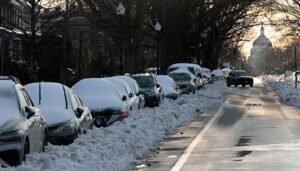
Texas experienced severe cold conditions following the storm. Dallas, Austin, and Houston faced freezing temperatures and icy roads. The cold wave caused major disruptions to daily life. Many residents were advised to avoid travel.
Officials warned that the cold could return with more freezing rain later in the week. North and Central Texas could face renewed ice accumulation. This would further worsen road safety and impact power lines. Schools in Texas were closed through Tuesday, with extensions possible.
Experts say the storm’s intensity reflects a pattern of extreme weather events. While climate change may play a role, natural variability also influences such outbreaks. The storm’s dry, fluffy snow made clearing roads more difficult. Strong winds easily lifted and shifted snow, blocking visibility and slowing recovery efforts.
