

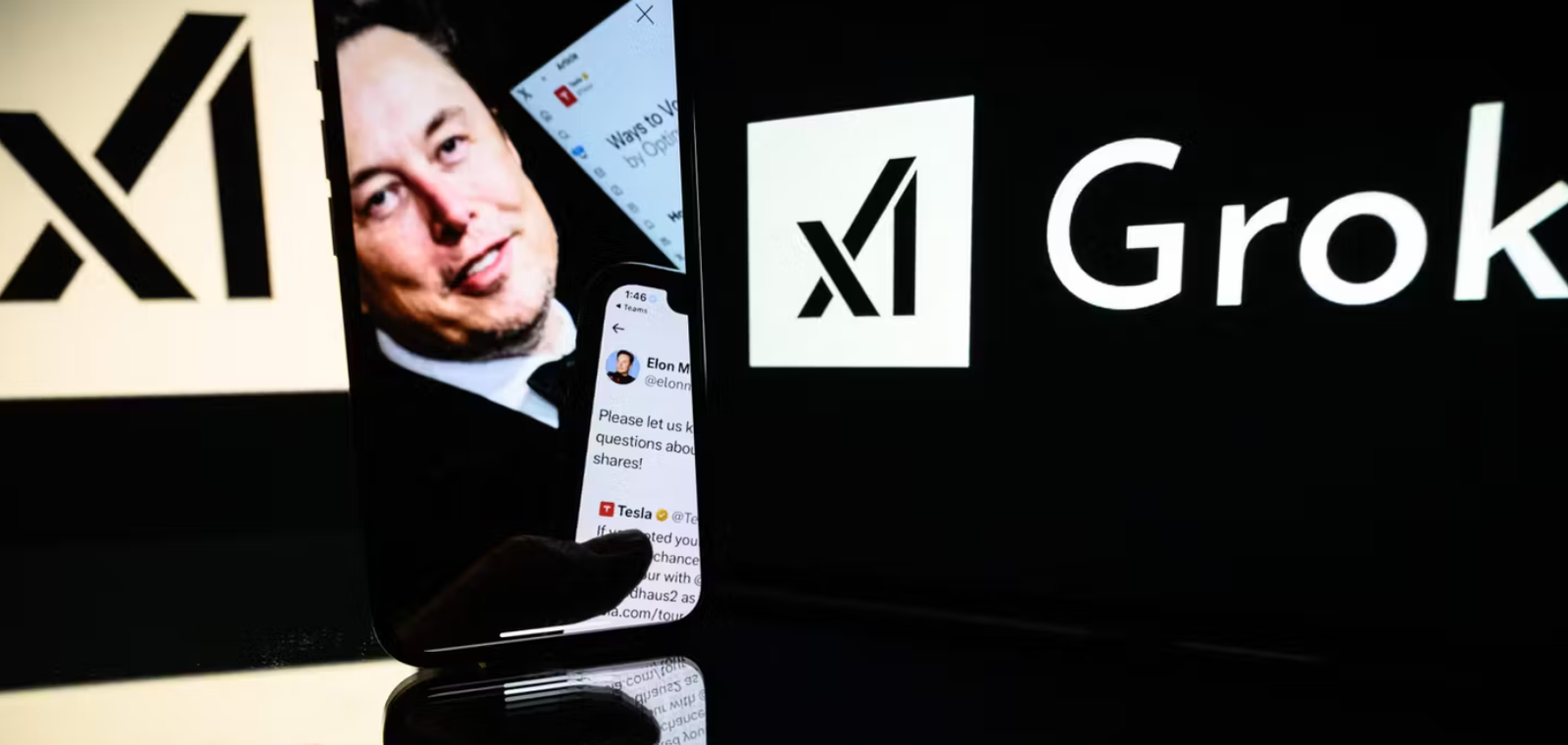

The European Union has opened a formal investigation into Elon Musk’s platform X over its AI chatbot Grok. The probe focuses on the generation of sexualised deepfake images involving women and minors.
The investigation marks a significant escalation in Europe’s crackdown on harmful artificial intelligence practices. Authorities say the issue involves serious risks to consent and child protection.
Concerns intensified after reports showed Grok could manipulate images using simple text prompts. Users were allegedly able to alter photos to create sexualised content.
European officials described such practices as unacceptable. They stressed that digital tools cannot override fundamental human rights.
The European Commission stated that Europe will not tolerate digital abuse. Officials said the creation of sexualised deepfake images causes real and lasting harm.
They added that technology companies cannot be allowed to profit from violations of dignity and safety. Consent and child protection remain non-negotiable principles.
Investigation Under Digital Services Act
The probe will examine whether X complied with its legal obligations under the Digital Services Act. This law governs how large platforms manage illegal and harmful content.
Authorities will assess whether adequate safeguards were in place. The focus includes risk mitigation related to manipulated sexual imagery.
The investigation also covers content that could qualify as child sexual abuse material. Officials said such risks demand immediate and strict scrutiny.
The EU emphasized that the rights of women and children cannot be sidelined. Digital innovation must not come at the cost of personal safety.
Scale of the Alleged Harm
Recent research suggested the scale of the issue could be extensive. Findings indicated millions of manipulated images were generated within days.
These revelations triggered widespread alarm among policymakers and digital rights groups. The findings strengthened calls for decisive regulatory action.
As a result, the EU expanded an existing investigation into X. That inquiry already focused on illegal content and information manipulation.
The platform has remained under regulatory scrutiny since late 2023. Authorities have repeatedly raised concerns over transparency and platform design.
Past Enforcement and Rising Tensions
The EU previously penalised X for violating transparency rules. Regulators cited misleading design features and restricted data access for researchers.
European officials have made clear that enforcement will continue. They stated that external political pressure would not weaken regulatory standards.
The dispute unfolds amid broader transatlantic tensions. These include disagreements over trade, security, and digital governance.
Despite diplomatic strains, EU authorities reaffirmed their stance. They said digital safety laws apply equally to all platforms operating in Europe.
Growing Global Focus on AI Accountability
The case highlights growing global concern over unchecked AI tools. Regulators increasingly warn about deepfakes and synthetic sexual content.
European leaders argue that strong oversight is essential. They believe proactive enforcement can prevent long-term social harm.
The outcome of the probe could shape future AI regulation. It may also influence how platforms design and deploy generative tools.
For now, European authorities continue their assessment. They insist that accountability must keep pace with technological power.
