

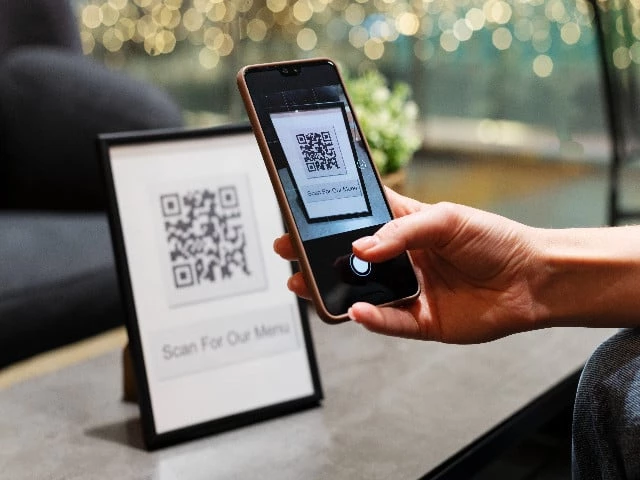

Pakistan has taken a major step toward a cashless economy by making digital payment options, particularly QR codes, mandatory at retail outlets across the country. The announcement was made by Minister of State for Finance Bilal Azhar Kiani during a policy discussion hosted by the Institute for Public Opinion Research (IPOR).
According to the minister, executive orders have now been issued requiring every merchant in Islamabad as well as in all provinces, to offer at least one form of digital transaction.
The initiative is a key component of the government’s “Cashless Pakistan” programme, which aims to promote documented economic activity, improve transparency, and reduce reliance on cash-based transactions.
Kiani said the federal and provincial governments are jointly working on legislation to provide a permanent legal framework for mandatory digital payments. While the current requirement has been enforced through executive action, the proposed laws are intended to ensure long-term continuity and uniform implementation across the country.
The minister also addressed findings from an IPOR study focusing on Pakistan’s tobacco industry, using the occasion to reiterate the government’s commitment to tightening the Track and Trace System (TTS). He stressed that enhanced monitoring would help curb tax evasion and recover revenue lost through the sale of illicit and non-compliant cigarette brands.
“Law-abiding retailers have nothing to fear,” Kiani said, adding that enforcement efforts would be directed at illegal operators who undermine the formal economy. He noted that stronger digital documentation, combined with improved tracking mechanisms, would make it harder for illicit trade to flourish.
As retail regulation largely falls under provincial jurisdiction, local governments have been authorised to play a more active role in enforcement. This includes monitoring warehouses, transportation networks, and retail shops to identify and eliminate illegal products from the market.
Officials believe the mandatory adoption of QR code payments will not only modernise Pakistan’s retail sector but also support broader economic reforms by widening the tax base, improving compliance, and encouraging greater financial inclusion.
