


Severe Weather Hits Central and Northern Provinces
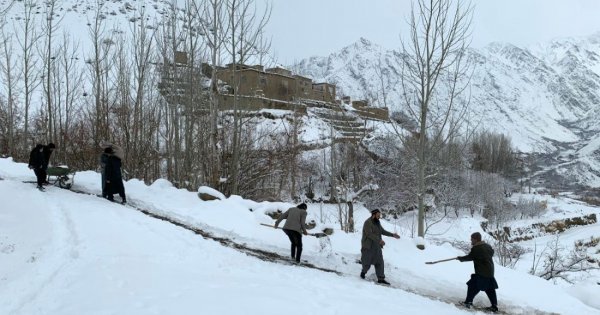
Snow and heavy rain have killed at least 61 people across Afghanistan in the last three days, disaster officials confirmed on Saturday. The deaths were reported mainly in central and northern regions between Wednesday and Friday. The Afghanistan National Disaster Management Authority (ANDMA) released a map showing the extent of the devastation.
The initial figures include 110 people injured and 458 homes either partially or fully destroyed. ANDMA also said that 360 families were affected by the severe weather. The authority urged people to avoid unnecessary travel on snowy roads to reduce the risk of further casualties.
Most of the deaths were caused by roof collapses and avalanches. Many people also died from frostbite due to sub-zero temperatures. In one of the most tragic cases, the emergency department in Kandahar province said six children were killed when the roof of their home collapsed during strong wind and heavy rain on Wednesday.
Major Road and Power Line Disruptions
The extreme weather has also disrupted essential services and transportation. The Salang highway, a key route connecting Kabul to northern provinces, has been closed. Authorities in Parwan province said the highway was blocked, causing major disruptions for travellers and supply chains.
In central Bamyan province, food supplies were distributed to travellers stuck on a mountain pass. The situation has left many stranded without food or shelter, highlighting the urgent need for relief efforts.
The heavy snow also damaged a transmission line importing electricity from Uzbekistan. The damage on Thursday left households in nearly 12 provinces without power. Mohammad Sadiq, spokesperson for Afghanistan’s national power utility DABS, said technical teams were ready to repair the line. However, they could not reach the damaged area due to the blockage of the Salang pass.
In addition to road and power disruptions, the heavy weather destroyed shops and killed livestock in several rural areas. These losses have worsened living conditions in a country where many communities rely on farming and animal husbandry for survival.
Disaster Response Strained Amid Humanitarian Crisis
The Kabul Times daily highlighted that snow and rain can benefit Afghanistan when managed properly. However, the editorial warned that without adequate preparation and timely intervention, natural events can turn into tragedies. The country’s lack of infrastructure and resources makes it especially vulnerable to extreme weather.
The United Nations estimates that around half of Afghanistan’s population of more than 40 million will need humanitarian assistance this year. This follows a sharp decline in foreign aid in recent years. Natural disasters such as earthquakes, drought, and severe winter weather often compound daily hardships for millions of people.
As Afghanistan faces another wave of deadly weather, officials have called for increased support and better disaster preparedness. With roads blocked and power cut in many areas, the country’s ability to respond to emergencies remains limited. The latest deaths and destruction underline the urgent need for humanitarian aid and long-term resilience planning.
