

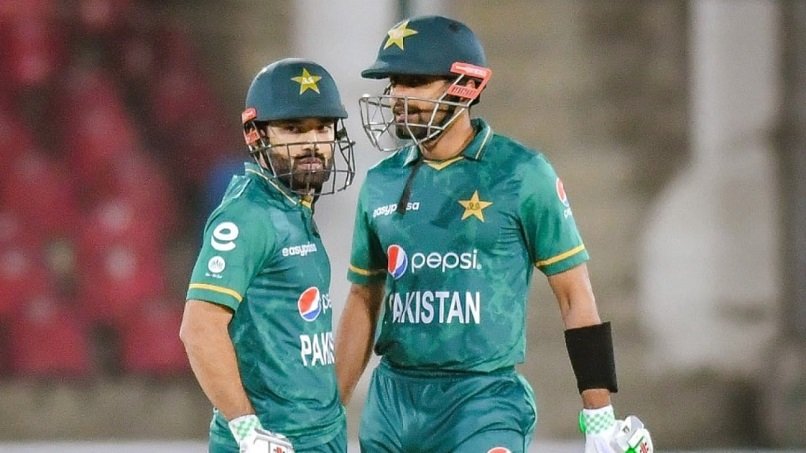

An alleged financial fraud exceeding Rs2 billion has emerged involving several current and former members of the Pakistan cricket team, sources revealed on Friday.
According to sources, a businessman collected large sums of money from multiple national cricketers under the promise of high monthly returns, reportedly ranging from 8 to 9 per cent. For several months, investors received substantial profits, which encouraged them to commit additional funds.
The situation reportedly changed after the business suffered losses. The businessman allegedly stopped paying returns, cut off all communication with the players, and failed to return the original investment amounts.
Those said to be affected include former captain Inzamam-ul-Haq, as well as current international stars Babar Azam, Shaheen Shah Afridi, Mohammad Rizwan, and Salman Ali Agha. Sources suggested that other former and serving national cricketers may also be among the victims.
Despite the scale of the alleged fraud, none of the cricketers have yet formally approached law enforcement authorities. However, the affected players have reportedly contacted Pakistan Cricket Board (PCB) Chairman Mohsin Naqvi to seek assistance in addressing the situation.
Sources added that the cricketers are consulting legal advisers to determine the next steps. A final decision on filing official complaints or initiating court proceedings is expected in the coming days.
The alleged scam has raised concerns within Pakistan’s cricketing community, highlighting the vulnerabilities even high-profile individuals face when investing in unregulated schemes. Observers noted that early, transparent legal action could help recover funds and prevent similar incidents in the future.
The PCB has yet to issue a formal statement regarding the matter. Meanwhile, players are reportedly awaiting legal guidance before taking further steps. The development comes as a significant financial controversy involving the country’s cricket icons, drawing widespread attention from both fans and authorities.
