


Prime Minister Shehbaz Sharif has approved a major subsidy scheme aimed at promoting electric vehicles (EVs) across Pakistan, marking a significant step toward cleaner, affordable and sustainable transportation.
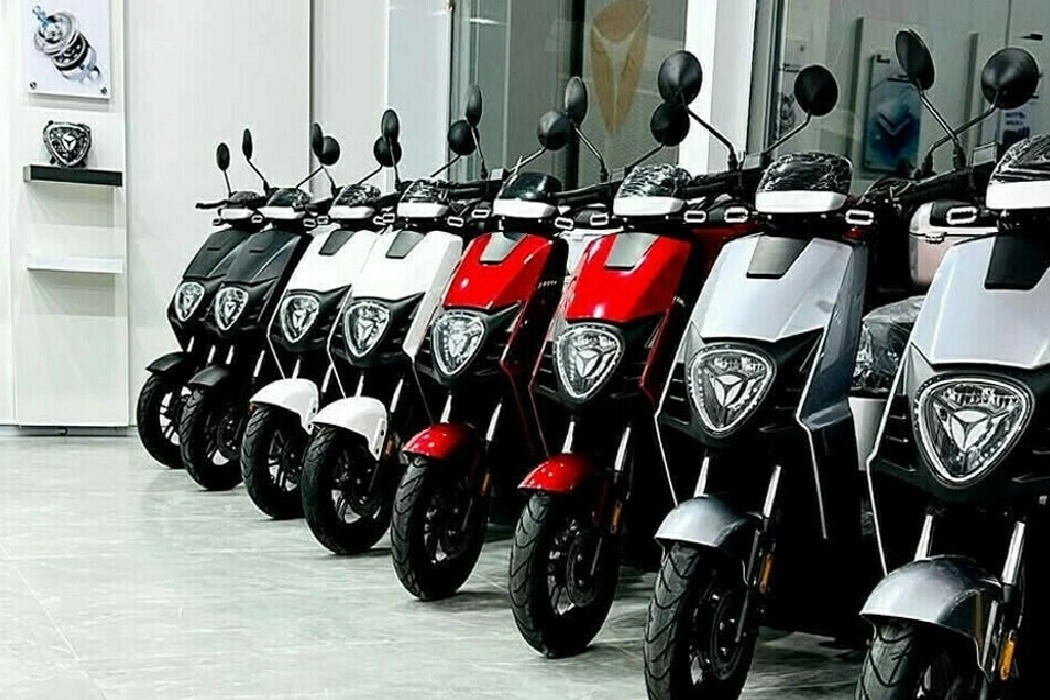
According to a notification issued by the Ministry of Industries and Production, the subsidy programme will be implemented in phases, beginning with financial support for 41,000 electric vehicles nationwide. The first phase includes subsidies for 40,000 electric motorbikes and 1,000 electric rickshaws and loaders.
Under the scheme, buyers of electric bikes will be eligible for a subsidy of up to Rs80,000, which will be transferred directly to the bank accounts of verified beneficiaries. To further encourage adoption, the government has also arranged easy instalment plans for electric bikes and rickshaws, making environment-friendly transport more accessible to low- and middle-income groups.
Officials clarified that the subsidies will only be available for registered electric vehicles, and unregistered units will not qualify for financial assistance. The verification process is aimed at ensuring transparency and preventing misuse of public funds.
In the second phase of the programme, subsidies amounting to Rs8.95 billion will be provided for an additional 78,170 electric vehicles. Authorities confirmed that the transfer of subsidy funds to verified applicants has already begun.
The government plans to allocate more than Rs100 billion in subsidies for the promotion of electric vehicles by 2030, reflecting its long-term commitment to reducing carbon emissions and dependence on imported fossil fuels.
Officials said the initiative is designed to lower transportation costs for citizens, improve air quality, and support the growth of Pakistan’s domestic EV industry. By encouraging the widespread adoption of electric vehicles, the government aims to align national transport policies with global climate goals while offering affordable mobility solutions to the public.
The subsidy scheme is expected to play a key role in transforming Pakistan’s transport sector and accelerating the shift toward sustainable urban mobility.
