

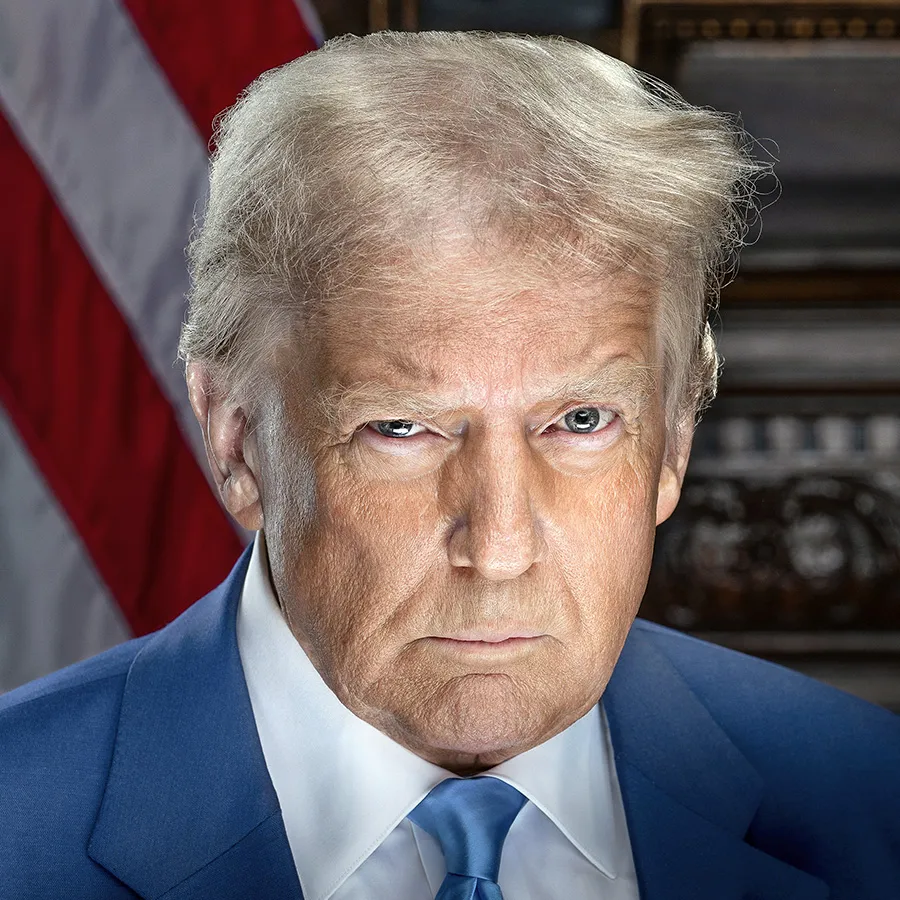

US President Donald Trump has proposed a new international body called the “Board of Peace.” The initiative aims to address conflicts and promote long-term stability in troubled regions. Although it initially focused on Gaza’s reconstruction, its mandate extends far beyond one territory.
The founding charter describes the board as an organisation dedicated to restoring lawful governance and securing lasting peace. It also commits to operating under international law.
Leadership and Authority Structure
Donald Trump will serve as chairman of the Board of Peace. In addition, he will act as the inaugural representative of the United States.
The charter grants the chairman sweeping authority. He can create, alter, or dissolve subsidiary bodies at his discretion. Moreover, he can issue resolutions and policy directives on behalf of the board.
The chairman may only be replaced through voluntary resignation or incapacity. Therefore, leadership remains firmly centralized.
Executive Board Composition
Trump will also chair the executive board. This body will manage daily operations and policy execution. The executive board will include seven members. These include US Secretary of State Marco Rubio and special negotiator Steve Witkoff. Jared Kushner will also serve on the board.
Other members include former UK Prime Minister Tony Blair and US financier Marc Rowan. World Bank President Ajay Banga and national security aide Robert Gabriel complete the group.
Membership Rules and Financial Requirement
Only countries invited by the US president may join the Board of Peace. Each country must be represented by its head of state or government.
Membership terms last up to three years. However, countries contributing more than $1 billion within the first year receive permanent membership.
Each member state holds one vote. Still, all decisions require the chairman’s approval. Trump may also cast a deciding vote in case of a tie.
Countries Invited to Join
Several major global players have received invitations. These include China, India, Russia, Ukraine, and Canada.
Other invited nations include Pakistan, Egypt, Argentina, Brazil, Jordan, and several European and Central Asian states.
Some countries, including Canada, confirmed participation but rejected the $1 billion permanent seat fee. Others have yet to clarify their financial commitments.
Who Is Staying Away?
France has declined participation. This refusal triggered sharp criticism from Trump. Ukraine also raised concerns about sitting on a council alongside Russia. Diplomatic discussions remain ongoing to resolve this issue.
When Does It Begin?
The charter states that the Board of Peace will become active once three countries formally agree to join. Until then, global attention remains fixed on whether this ambitious initiative gains meaningful support.
