

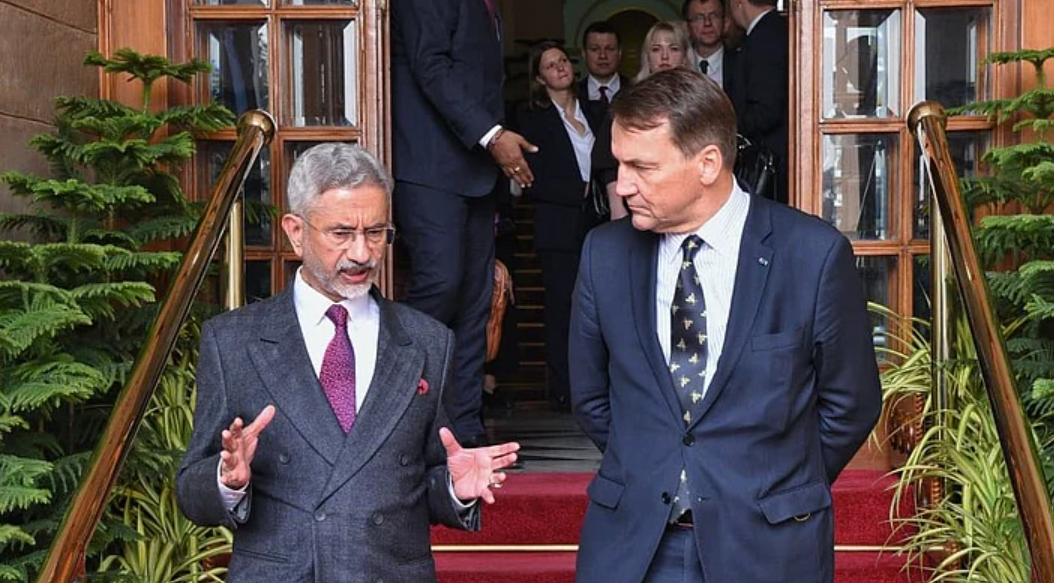

A diplomatic dispute has emerged between India and Poland following Indian Foreign Minister Subrahmanyam Jaishankar’s comments. The controversy centers on Polish Deputy Prime Minister Radoslaw Sikorski’s visit to Pakistan in October 2025. India views the visit as sensitive amid regional security concerns.
Jaishankar publicly addressed Sikorski’s travels to the region, emphasizing India’s worries over cross-border terrorism. He stressed that Poland should take a strong stance against supporting terrorist networks in India’s neighborhood.
Context of Sikorski’s Pakistan Visit
During Sikorski’s two-day visit to Islamabad, Pakistan and Poland agreed to enhance political and economic cooperation. Both countries aimed to establish a comprehensive and mutually beneficial partnership.
However, India raised concerns that the visit indirectly supports activities that compromise regional stability. Jaishankar referenced Sikorski’s familiarity with regional issues, noting his background as a journalist covering Afghanistan in the 1980s.
Jaishankar Highlights Concerns on Terrorism and Oil
The Indian minister also criticized Sikorski’s recent remarks on Delhi’s reduction of Russian oil imports. Sikorski had said he was “satisfied” with India’s cut in imports, linking it to reducing financing for Russia’s war efforts.
Jaishankar called this selective targeting of India “unfair and unjustified” and reiterated the importance of a consistent stance against terrorism.
Poland’s Response and Regional Security Concerns
After the meeting, Sikorski acknowledged shared concerns about terrorism but raised India’s participation in the “Zapad 2025” military exercises in Russia and Belarus. He described India’s involvement in these drills as “threatening” due to their proximity to NATO borders.
Sikorski emphasized that while both countries face regional challenges, they also share opportunities for cooperation. He stressed that Poland and India are aligned on counter-terrorism priorities but have differing views on military exercises and strategic policies.
Diplomatic Implications
The exchange highlights ongoing diplomatic sensitivities between India and European nations regarding Pakistan. It also underscores the delicate balance India seeks between regional security and international engagement.
Both ministers agreed on the importance of dialogue and maintaining cooperation on key issues while addressing concerns related to regional security and terrorism.
Moving Forward
Experts suggest that India and Poland must carefully navigate diplomatic interactions to prevent further tensions. Constructive communication and clarity on regional policies will be crucial for stabilizing bilateral relations.
The diplomatic row serves as a reminder that foreign visits carry broader implications for international relations and regional security in South Asia.
