

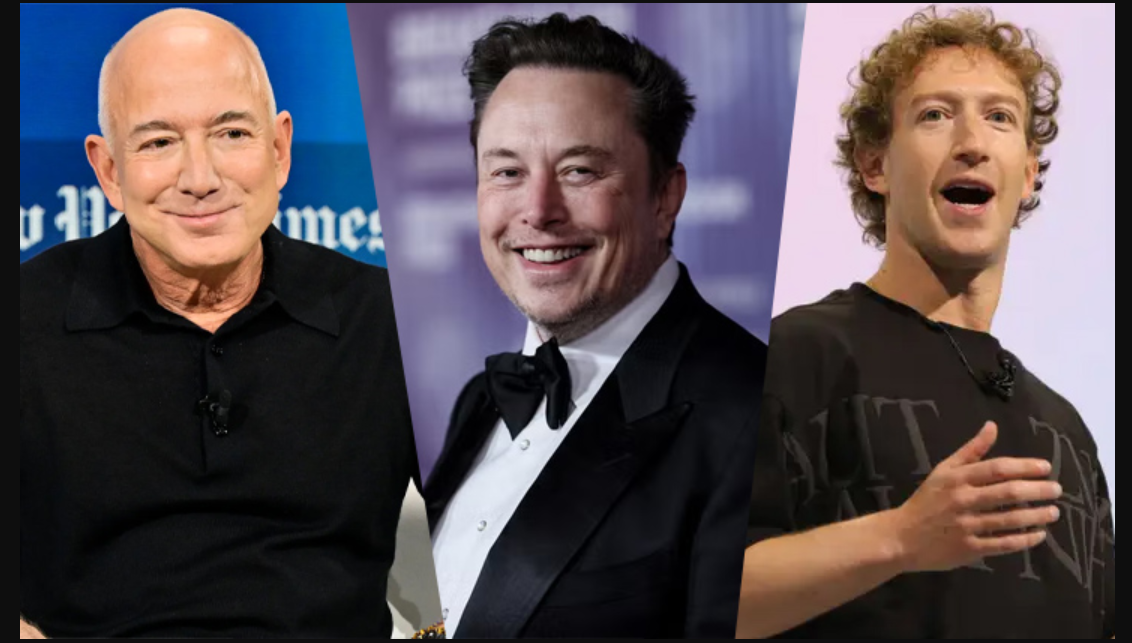

Global billionaires saw their wealth surge dramatically in 2025, reaching an unprecedented $18.3 trillion, marking a 16% increase from 2024 and an 81% rise since 2020. This rapid growth highlights the widening gap between the ultra-wealthy and ordinary citizens, raising concerns over economic inequality worldwide. Meanwhile, one in four people struggle to afford regular meals, and nearly half of the global population continues to live in poverty, showing how wealth concentration contrasts sharply with widespread hardship.
Experts emphasize that the richest individuals are accumulating not only wealth but also political influence. Studies indicate billionaires are 4,000 times more likely than ordinary citizens to hold political office, giving them disproportionate sway over policies. Recent governmental measures have eased regulatory pressures and reduced taxes on extreme wealth, further benefiting multinational corporations and monopolies. Consequently, the ultra-wealthy have strengthened their economic and political clout.
The technology and artificial intelligence sectors have played a key role in wealth growth. Investments in AI companies have created enormous windfall gains for existing billionaires, accelerating their financial power. At the same time, media ownership has shifted heavily toward the ultra-wealthy. More than half of the world’s major media firms are now controlled by billionaires, allowing them to influence public narratives and global discourse.
The global billionaire population surpassed 3,000 in 2025, with Elon Musk becoming the first individual to exceed $500 billion in net worth. Remarkably, the $2.5 trillion added to billionaire fortunes last year equals the combined wealth of the poorest 4.1 billion people, reflecting extreme inequality. Experts warn that this concentration of wealth and power can threaten democratic stability, especially when governments prioritize elite interests over public welfare.
Ongoing debates emphasize the need for urgent government action. Measures such as higher taxes on extreme wealth, national inequality reduction plans, and stricter limits on lobbying and campaign financing are recommended. These interventions aim to reduce the political deficit created by wealth concentration and restore a balance between citizens and powerful elites. Without such steps, economic disparities and social tensions are likely to worsen.
In conclusion, the rise of billionaire fortunes to historic highs illustrates the deepening global inequality crisis. Urgent action is required to curb excessive wealth accumulation and protect both economic fairness and democratic stability. If governments fail to act, the divide between the ultra-wealthy and ordinary citizens will continue to grow, posing risks to society worldwide.
