

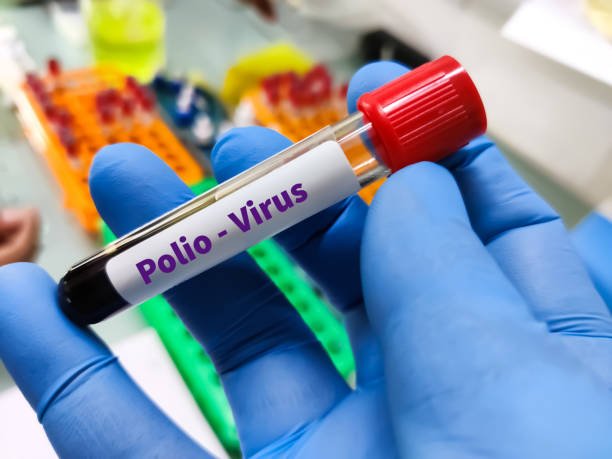

Poliovirus Detected in Sewage Samples Nationwide
Poliovirus continues to pose a serious public health challenge in Pakistan. During December, health authorities detected the virus in multiple environmental samples across the country. These findings highlight gaps in vaccination coverage and immunity among children.
According to officials at the polio laboratory at the National Institute of Health in Islamabad, teams tested 127 sewage samples in December 2025. These samples came from 87 districts across all four provinces and the federal capital. Out of the total, 87 samples tested negative. However, 40 samples tested positive for poliovirus.
The results indicate that the virus remains present in several high-risk areas. Environmental surveillance plays a critical role in tracking the spread of polio. It helps authorities identify regions where vaccination efforts need improvement.
Sindh and KP Report Higher Number of Positive Samples
The breakdown of positive samples shows uneven distribution across provinces. In Balochistan, teams collected 23 samples. Of these, 21 tested negative, while two tested positive.
In Khyber Pakhtunkhwa, authorities collected 34 samples. Twenty-six tested negative. However, eight samples tested positive for poliovirus. Punjab reported 31 samples in total. Among them, 25 tested negative, while six showed the presence of the virus.
Sindh recorded the highest number of positive samples. Teams tested 29 samples in the province. Six samples tested negative. In contrast, 23 samples tested positive, raising concerns about immunity gaps.
In Islamabad, authorities collected five samples. One tested positive, while four tested negative. Meanwhile, samples collected from Azad Jammu and Kashmir and Gilgit-Baltistan all tested negative, offering some relief.
Health officials explained that a positive sewage sample means poliovirus is circulating in the community. In contrast, a positive polio case refers to a child developing paralysis due to the virus.
Vaccination Campaigns Planned to Stop Virus Spread
Officials stressed that sewage testing helps assess the success of vaccination campaigns. When teams detect the virus in sewage, authorities immediately plan targeted immunisation drives. These campaigns aim to stop virus transmission and protect children.
Moreover, experts warned that population movement allows the virus to spread between cities. Therefore, a polio case can emerge anywhere. However, virus detection in sewage signals weak vaccination coverage in that specific area.
The presence of poliovirus also indicates declining immunity among children. As a result, unvaccinated or under-vaccinated children remain at high risk of lifelong paralysis.
According to official data, the National Emergency Operations Centre for Polio Eradication conducted six vaccination campaigns in 2025. These included five nationwide drives and one subnational campaign. Together, they reached more than 45 million children.
Looking ahead, authorities have announced the first nationwide polio campaign of 2026. The drive will run from February 2 to February 8. It will cover all four provinces, Azad Jammu and Kashmir, Gilgit-Baltistan and Islamabad. The campaign aims to vaccinate over 45 million children under five years of age.
In addition, the government continues to offer free routine immunisation for children up to two years old. Health experts say routine immunisation, combined with repeated polio drops, provides strong protection against the disease.
Officials urged parents and caregivers to cooperate with vaccination teams. They emphasized that every missed child increases the risk of virus spread. Consistent vaccination remains the only way to protect children from permanent disability.
