

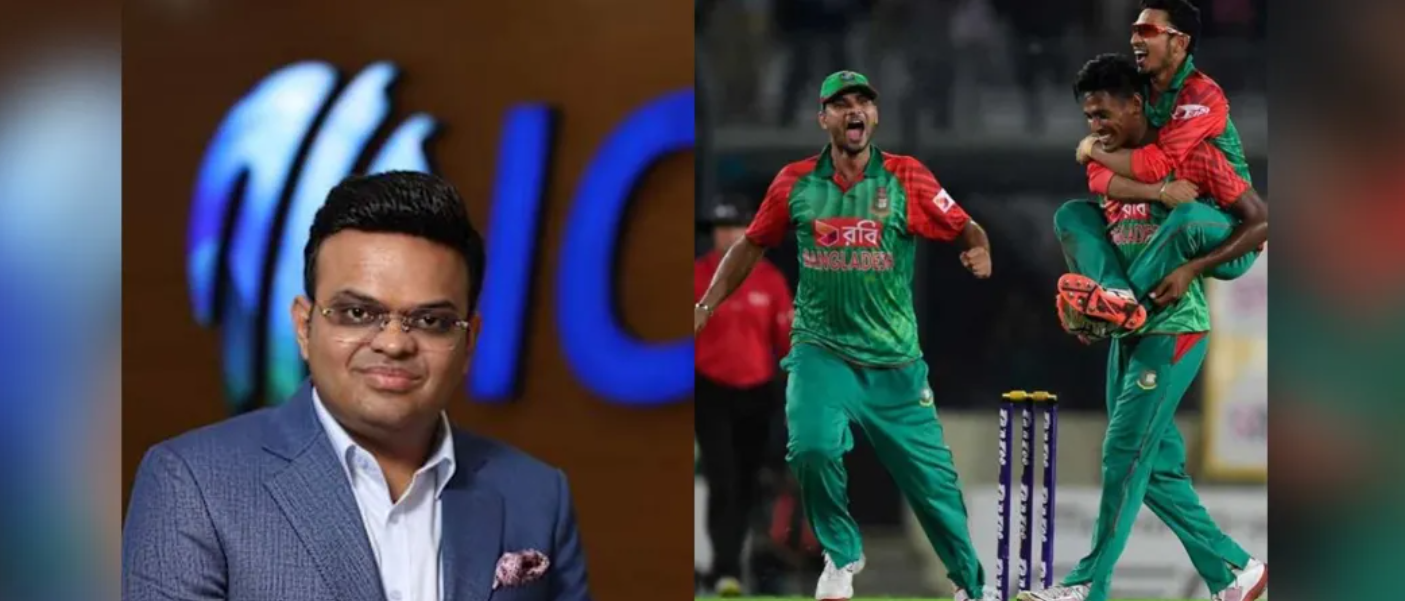

Diplomatic and cricketing tensions have intensified after Bangladesh denied a visa to an Indian official linked to an International Cricket Council delegation. The delegation was scheduled to visit Bangladesh to discuss arrangements and potential venues for the upcoming T20 World Cup. However, the visit proceeded only partially, raising fresh questions over regional cooperation.
The ICC delegation consisted of two members assigned to hold discussions on World Cup-related matters. One member was ICC Head of Anti-Corruption and Security Andrew Ephgrave. The other was a senior executive from India. Bangladesh approved a visa for Ephgrave but refused entry to the Indian official, effectively limiting the scope of the planned talks.
Andrew Ephgrave is expected to arrive in Bangladesh for a two-day visit. His meetings are set to focus on security and integrity matters connected to the tournament. However, the absence of the Indian representative has drawn attention, as venue discussions usually involve broader coordination among stakeholders.
The visit aimed to explore the possibility of changing venues for the T20 World Cup. These discussions have gained urgency following Bangladesh’s earlier decision regarding tournament travel. Authorities in Bangladesh have already stated that the national team will not travel to India for the World Cup, citing security concerns.
As a result, venue-related talks carry added diplomatic sensitivity. The visa decision appears to reflect broader strains rather than a procedural issue. While Bangladesh has not publicly explained the refusal, the move has been widely interpreted as politically significant within cricketing circles.
The situation places the ICC in a challenging position. On one hand, the council seeks smooth planning for a major global event. On the other, it must navigate complex bilateral dynamics between member nations. Consequently, even routine logistical visits now attract heightened scrutiny.
The denial also underscores how sports diplomacy in South Asia remains closely tied to political relations. Cricketing cooperation often mirrors the state of diplomatic engagement. Therefore, administrative decisions can quickly escalate into larger disputes.
For now, discussions in Bangladesh will continue with a reduced delegation. Whether this limited engagement will produce concrete outcomes remains uncertain. Much will depend on future coordination and diplomatic signals from both sides.
The episode highlights growing uncertainty around the T20 World Cup’s planning process. As tensions persist, questions around venues, travel, and participation are likely to remain in focus.
