


How Vegetables Help Protect the Body From Cancer
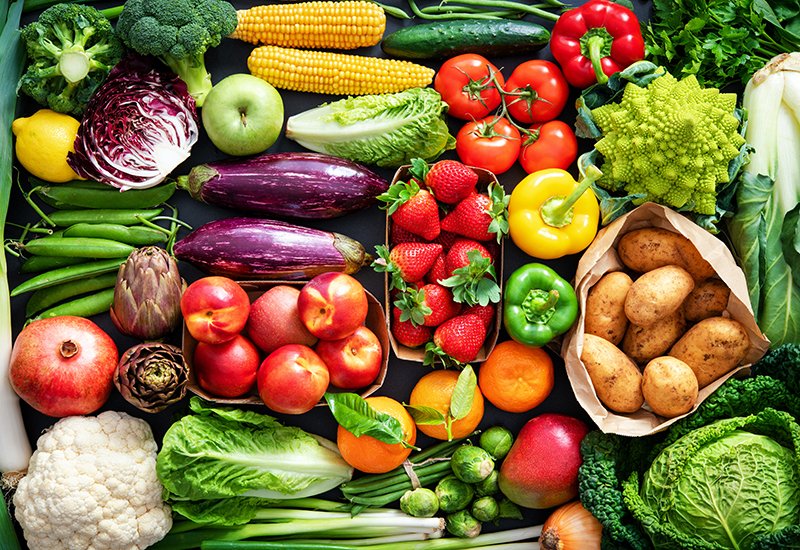
Healthy food is really important and its a natural and powerful way to stay away from chronic diseases like cancer. Vegetables have natural and important compounds and are important for healthy cells and help them to stay away from cell damage as well.
Cancer often develops due to long-term cell damage and inflammation. Vegetables help counter these processes. They reduce oxidative stress. They support the immune system. They improve digestion and detoxification.
Doctors and nutrition experts agree that a plant-rich diet lowers cancer risk. Eating a variety of vegetables ensures the body receives protective nutrients from multiple sources. Colorful vegetables are especially important. Each color offers different health benefits.
Below are vegetables widely linked to cancer prevention and overall health support.
Cruciferous and Leafy Vegetables With Powerful Protection
Cauliflower and Cabbage
Cauliflower and cabbage belong to the cruciferous vegetable family. They are rich in sulforaphane. This compound helps slow the growth of cancer cells. It also supports the body’s detox enzymes.
Studies link these vegetables to reduced risk of breast, colon, and lung cancers. They also help lower inflammation. Steaming them lightly preserves nutrients best.
Spinach and Leafy Greens
Spinach, kale, lettuce, and other leafy greens are nutritional powerhouses. They contain folic acid, fiber, iron, and antioxidants. These nutrients help repair DNA and protect cells.
Leafy greens may reduce the risk of stomach and intestinal cancers. Fiber also improves gut health. A healthy digestive system lowers cancer-related inflammation.
Eating leafy greens daily supports immunity and heart health too.
Antioxidant-Rich Vegetables That Protect Cells
Tomatoes
Tomatoes are rich in lycopene. Lycopene is a powerful antioxidant. It is strongly linked to a lower risk of prostate cancer.
Cooked tomatoes offer even more lycopene than raw ones. Tomato sauces and soups are good options. Lycopene also supports heart health and skin protection.
Carrots
Carrots are high in beta-carotene. The body converts beta-carotene into vitamin A. This nutrient supports healthy skin and immune function.
Carrots may help lower the risk of lung and skin cancers. They also protect vision and support eye health.
Bell Peppers
Bell peppers are packed with vitamin C and antioxidants. Vitamin C strengthens the immune system. It also helps repair damaged cells.
Red, yellow, and orange peppers offer the highest antioxidant levels. Regular intake helps protect cells from free radical damage.
Natural Detox and Anti-Inflammatory Vegetables
Garlic and Onions
Garlic and onions contain sulfur compounds. These compounds have strong anti-inflammatory and antibacterial effects.
They may reduce the risk of stomach and intestinal cancers. Garlic also supports heart health and lowers cholesterol.
Chopping garlic and letting it sit before cooking increases its benefits.
Beetroot
Beetroot contains antioxidants called betalains. These compounds support liver detoxification. They also help reduce inflammation.
Beetroot supports intestinal health and improves blood circulation. A healthy liver plays a key role in cancer prevention.
Final Thoughts on Cancer-Preventive Eating
No single food can prevent cancer completely. A balanced lifestyle matters most. Regular exercise, avoiding smoking, and maintaining a healthy weight are essential.
Still, vegetables remain a powerful natural defense. Including these vegetables in daily meals supports long-term health. Small dietary changes can create lasting benefits.
