

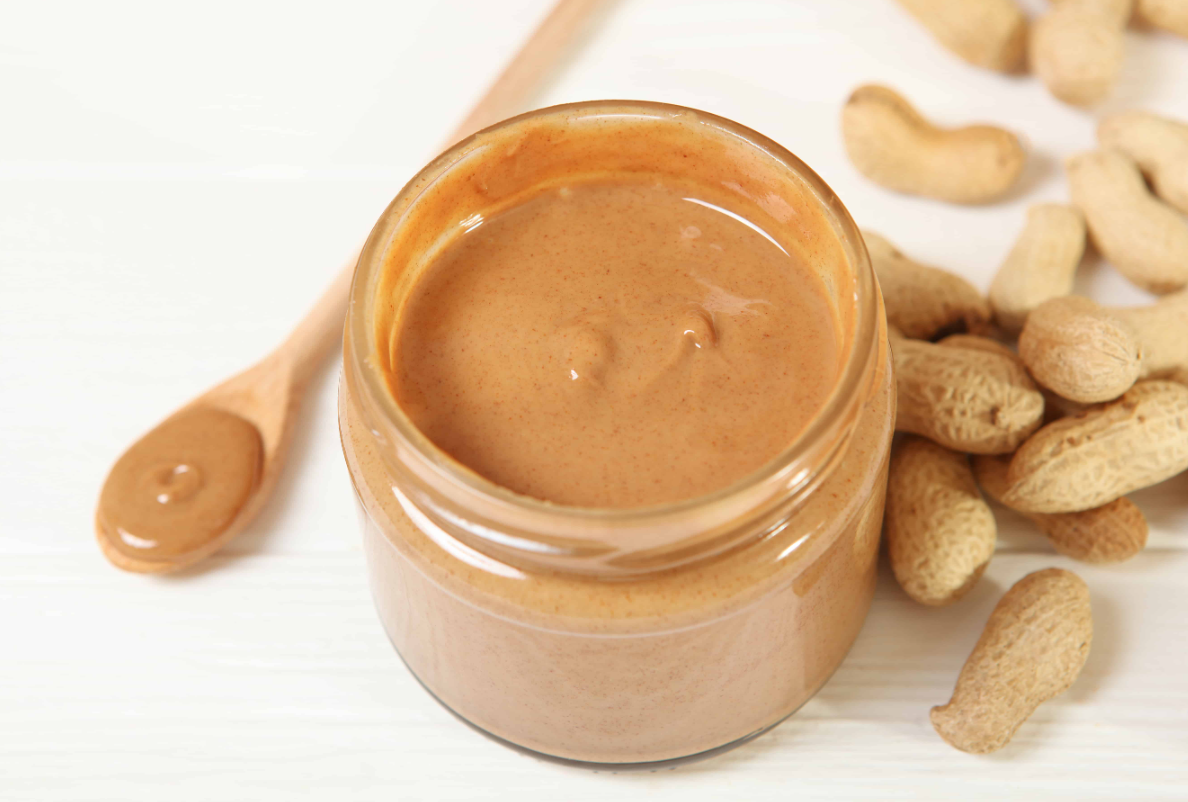

Peanut butter is not only delicious but also packed with nutrients. Loved worldwide, it can be eaten on bread, with fruits, or straight from the jar. Regular consumption of peanut butter provides essential nutrients that support overall health, but moderation is key.
Supports Muscle Growth and Repair
Protein is a major component of peanut butter. Two tablespoons provide around 7 grams of protein, roughly 14 percent of the recommended daily intake. This protein helps build and repair muscles, making peanut butter an excellent option for active individuals and fitness enthusiasts.
Promotes Fullness and Weight Management
Peanut butter combines protein with healthy fats, around 16 grams per two tablespoons, which promotes satiety. Feeling full for longer can help manage food cravings and support weight management. Studies show that incorporating peanuts in a calorie-controlled diet can enhance weight loss compared to those who do not eat them.
Enhances Heart Health
Rich in monounsaturated fats, peanut butter can improve cholesterol levels by increasing HDL, the “good” cholesterol, and reducing LDL, the “bad” cholesterol. Peanuts also contain arginine, an amino acid that relaxes blood vessels and improves circulation. Potassium in peanut butter further supports healthy blood pressure levels.
Provides Essential Micronutrients
Peanut butter contains magnesium and vitamin E. Magnesium is vital for bone health and energy metabolism, while vitamin E strengthens the immune system and protects cells from oxidative stress. Regular consumption can therefore support both overall health and daily energy levels.
High Calorie Content Requires Moderation
While nutrient-rich, peanut butter is calorie-dense, with two tablespoons containing approximately 190 calories. Overconsumption may lead to excessive calorie intake. Nutritionists suggest that daily intake in moderation does not cause weight gain and may even aid in maintaining a healthy weight.
Choose Natural Options to Avoid Additives
Many commercial peanut butters contain added sugars, hydrogenated oils, and excess salt. For maximum health benefits, opt for peanut butter with only two ingredients: peanuts and a small amount of salt. This ensures a clean, nutrient-rich option without unnecessary additives.
Potential Health Risks
Peanut butter can trigger severe allergic reactions in people with peanut allergies. Aflatoxins, toxic compounds from fungi on peanuts, can also pose a risk if contaminated. People with specific health conditions, like kidney disease, should consult a healthcare professional before including peanut butter in their diet.
Conclusion
Peanut butter is more than a comfort food. When consumed in moderation and chosen wisely, it supports muscle health, heart function, satiety, and overall energy. Including high-quality peanut butter in a balanced diet allows you to enjoy its numerous health benefits without excess calories or additives.
