

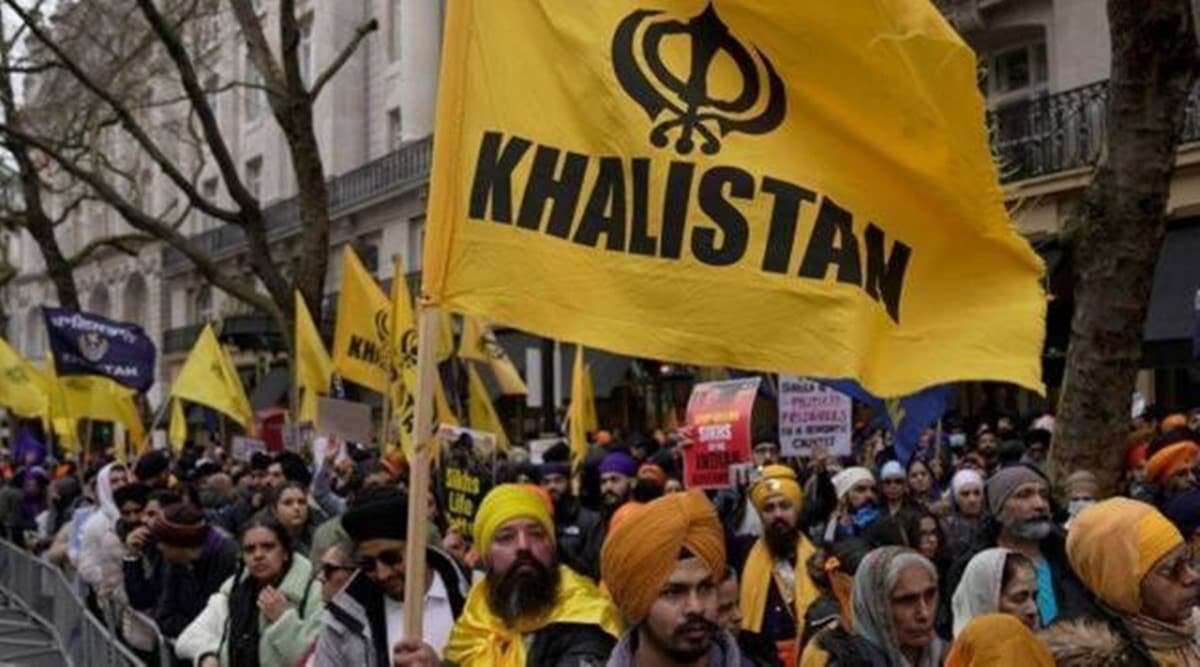

UK intelligence agencies have warned prominent Khalistani Sikh activist Paramjeet Singh Pamma that he faces a serious threat to his life from alleged Indian government agents operating in Britain. Authorities delivered the warning through several security visits, advising him to increase protection and alter daily routines. Sources said MI5, the UK’s domestic security agency, issued the advisory after assessing intelligence that suggested an imminent risk.
Pamma serves as the UK and Europe coordinator for the Khalistan Referendum campaign and maintains close links with slain activist Hardeep Singh Nijjar and campaign leader Gurpatwant Singh Pannun. According to The Guardian, the risk level has become so severe that police advised Pamma not to live with his family in West London and not to share his location with others. Consequently, he now lives separately to reduce exposure.
Pamma told the newspaper that he believes the threats form part of what he described as transnational repression by the Indian state. The Indian High Commission in London declined to comment. Meanwhile, a Home Office spokesperson said the government does not comment on intelligence matters but stressed that the safety of all communities remains a top priority.
International cases intensify scrutiny of transnational repression
The warning comes amid broader international scrutiny of alleged overseas targeting of Sikh activists. In 2023, Canadian authorities linked the killing of Hardeep Singh Nijjar to Indian agents, while US prosecutors accused an Indian official of directing an attempted assassination against Pannun in New York. These cases have heightened concern among Western governments.
UK parliamentary bodies have also flagged growing risks. MI5 reported a sharp rise in investigations into state threats since 2022, while a parliamentary human rights committee recently listed India as a country of concern in cases of transnational repression.
Pamma has faced controversy in Indian media, including allegations of links to militant groups, which he has denied while condemning terrorism and welcoming independent inquiries. His personal history includes alleged past detention and torture in India, asylum in the UK, and multiple failed attempts by Indian authorities to prosecute him abroad.
