

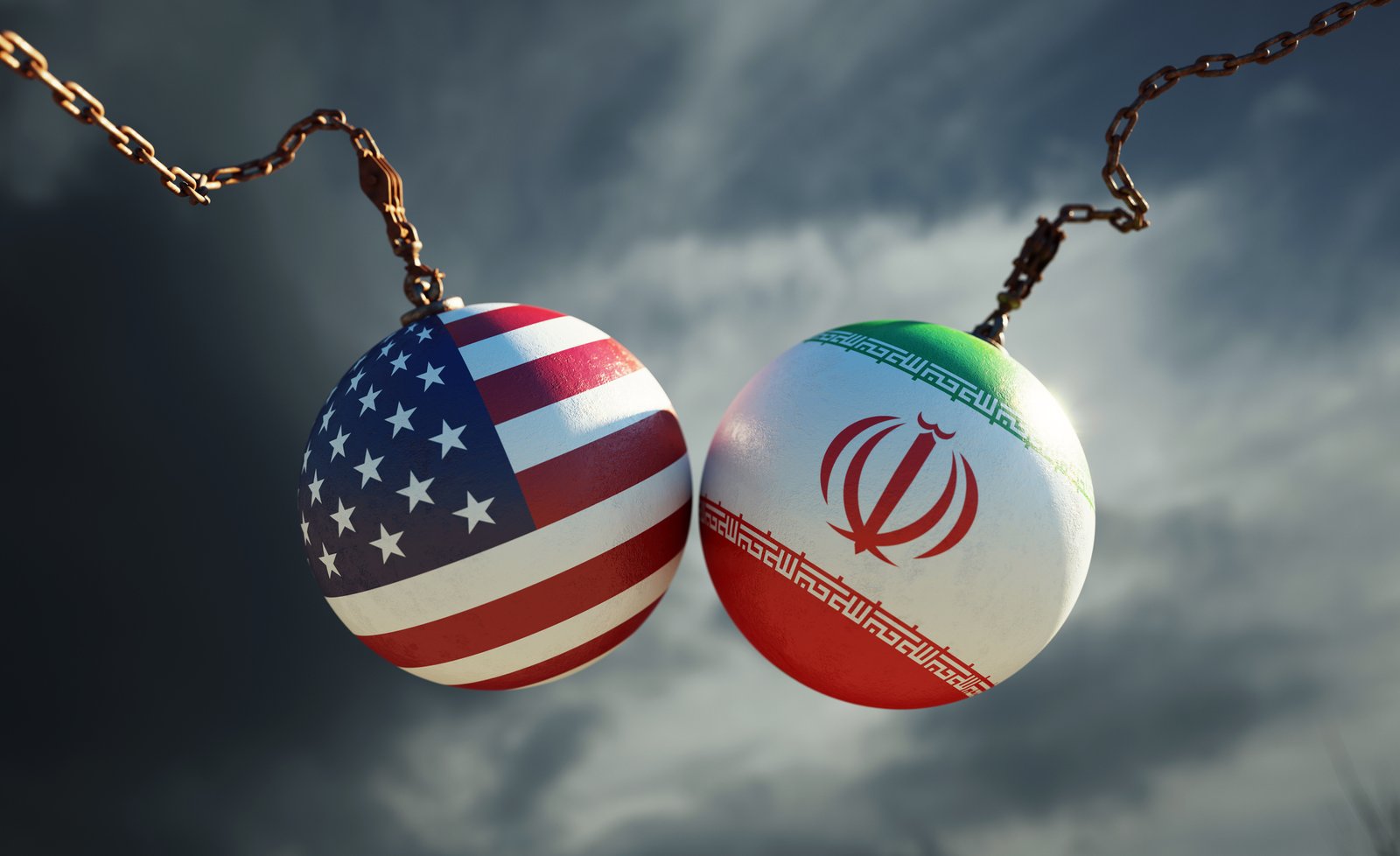

Doha Urges Restraint as Washington Signals Possible Military Action
Qatar has warned that any military escalation between the United States and Iran would have disastrous consequences. The warning came amid rising tensions following Washington’s threats of possible air strikes on Iran. The strikes are reportedly being considered in response to Tehran’s violent crackdown on protests.
Qatar’s Foreign Ministry spokesperson Majed al-Ansari addressed the issue during a press conference in Doha. He stressed the seriousness of the situation. He said even limited escalation could spiral quickly. According to him, the impact would extend beyond the Gulf region.
“We know that any escalation would have catastrophic results in the region and beyond,” Ansari said. He added that Qatar wants to prevent such an outcome at all costs. Doha continues to call for calm and restraint from all sides.
The warning reflects Qatar’s concern over regional stability. The Gulf state hosts key US military assets. Any conflict could directly affect its security and economy. Qatar has consistently positioned itself as a mediator in regional disputes.
Past Attacks Highlight Risks of Wider Conflict
The risks of escalation are not theoretical. In June, Iran targeted the Al Udeid Air Base in Qatar. The base hosts thousands of US troops. The attack was a response to earlier American strikes on Iranian nuclear facilities.
The strike marked an unprecedented moment. It was the first time Iran directly targeted a US base on Qatari soil. Despite the seriousness of the attack, Qatar managed to prevent further escalation.
Doha leveraged diplomatic channels to help de-escalate tensions. Its mediation contributed to a rapid truce between Washington and Tehran. This experience reinforced Qatar’s role as a regional peacemaker.
Recent developments have again raised alarm. The White House said on Monday that President Donald Trump is considering air strikes on Iran. The stated aim is to pressure Tehran to halt its crackdown on protesters.
Iran has reacted sharply to these threats. Parliament Speaker Mohammad Bagher Ghalibaf warned of retaliation. He said US military forces and shipping would be considered legitimate targets. His remarks were broadcast on Iranian state television.
Such statements have heightened fears of a direct confrontation. Analysts warn that any exchange of strikes could disrupt shipping lanes. Energy markets could face severe shocks.
Human Rights Crisis and Diplomatic Efforts Continue
The tensions are unfolding alongside a worsening human rights situation in Iran. Protests have spread across the country. Security forces have responded with force.
The Norway-based group Iran Human Rights said at least 648 people have been killed. The victims include nine minors. The organisation warned that the real toll may be far higher. Some estimates suggest more than 6,000 deaths.
Despite the hostile rhetoric, diplomatic efforts have not stopped. Washington says channels for dialogue remain open. US officials claim Iran has adopted a softer tone in private talks.
These discussions involve Trump’s special envoy Steve Witkoff. Officials say Iran’s private messages differ from its public threats. This has raised hopes for a negotiated outcome.
Qatar is actively involved in these diplomatic efforts. Ansari said Doha is speaking to all parties. This includes regional neighbours and international partners.
“We believe a diplomatic resolution is still possible,” Ansari said. He emphasized that dialogue remains the best path forward. Qatar continues to push for de-escalation to protect regional peace.
