

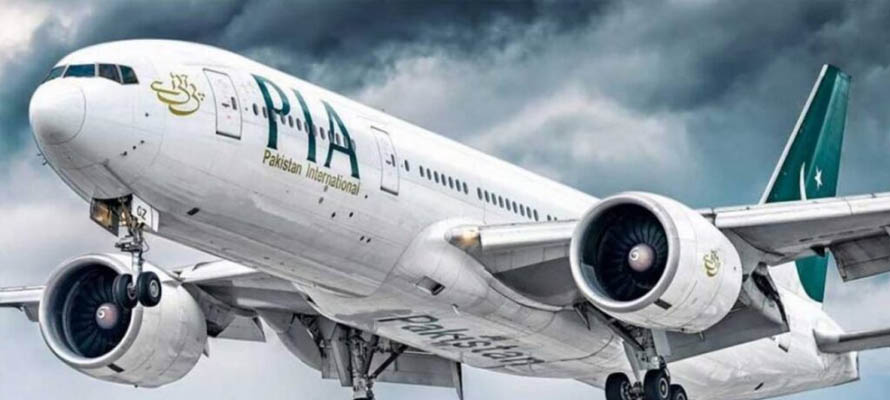

KARACHI: A consortium led by Arif Habib Corp is looking to bring in a new partner to strengthen its bid to revive Pakistan International Airlines after acquiring a majority stake in the national carrier. Arif Habib told journalists in Karachi on Sunday that the group has begun due diligence to identify investors who can add strategic value. Moreover, he said several parties have already expressed interest in joining the effort.
The remarks came weeks after Fauji Fertiliser Company Limited joined the Arif Habib Consortium, which secured a 75% stake in PIA with a winning bid of Rs135 billion during the privatisation auction. Consequently, the federal government completed the sale of its majority share for Rs 135 billion, or about $482 million, fulfilling a key condition set by the International Monetary Fund for its loan programme.
Expansion plans and employee protections are outlined
Habib said the consortium plans to expand PIA’s fleet to 38 aircraft from the current 18. In addition, the new owners intend to make fresh hires and improve operations to restore the airline’s competitiveness. However, the group will take over operational control in April under conditions imposed by the government. These terms prevent the consortium from laying off employees for one year after the takeover.
Habib explained that existing employees will have a year to demonstrate performance and secure their positions. Meanwhile, the consortium believes stability in the workforce will support a smoother transition and help rebuild trust within the organisation.
PIA has relied on repeated government bailouts for years due to heavy losses, rising debt, operational inefficiencies, an ageing fleet, and political interference. Previous attempts to privatise the airline failed after employee protests and opposition resistance blocked the process.
The ownership structure includes Arif Habib Corp and Fatima Fertiliser Ltd holding a combined 25% stake, while Fauji Fertiliser holds another 25%. AKD Group, City Schools, and Lake City Holdings collectively own the remaining 25%. Furthermore, the consortium retains the option to purchase the government’s remaining stake at a premium in the future.
