

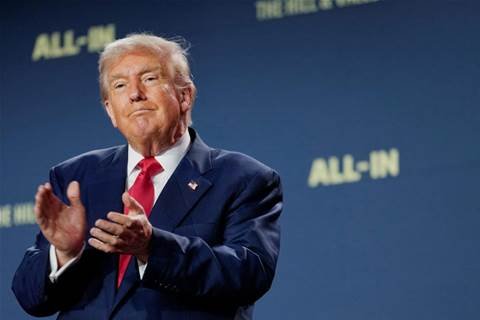

US President Donald Trump has sparked global controversy after sharing a social media post portraying himself as the “Acting President of Venezuela.” The image, published on his Truth Social platform, appeared as a digitally altered Wikipedia-style profile listing Trump as both US President and the acting leader of Venezuela with an “Incumbent January 2026” tag. The unusual claim followed a dramatic US military operation in Venezuela earlier this month.
The post has drawn sharp reactions worldwide, with analysts describing it as provocative political messaging rather than a legal reality. There is no international recognition or constitutional basis for a US leader to hold executive authority in Venezuela, and experts emphasize that the image is symbolic and not a statement of official jurisdiction.
Military Operation in Venezuela and Maduro’s Capture
The backdrop to Trump’s post is a recent and highly controversial US military operation in Venezuela. On January 3, 2026, US forces launched a bold strike in Caracas that resulted in the capture of Venezuelan President Nicolás Maduro and his wife, Cilia Flores. The couple was transported to the United States to face federal charges, including narcoterrorism conspiracy allegations.
Following the operation, Trump publicly stated that the United States would “run” Venezuela during a transition period to ensure stability and a proper political process. He also suggested that the country’s vast oil resources would be secured and managed as part of this interim period. Venezuelan oil has long been a key factor in global energy markets, making control of these reserves a strategic priority for Washington.
Despite Trump’s rhetoric, Venezuela’s interim leadership was established through the country’s own legal processes. On January 5, Venezuela’s Supreme Tribunal of Justice appointed Vice President Delcy Rodríguez as interim president, following constitutional succession procedures. Rodríguez has rejected US claims to executive authority and condemned the foreign intervention, reaffirming loyalty to Venezuelan sovereignty.
Political Messaging Versus Legal Reality
The image Trump shared on Truth Social depicted a mock Wikipedia entry, complete with his portrait and the label of “Acting President of Venezuela, Incumbent January 2026.” It also listed Vice President J.D. Vance as his deputy in this fabricated role. However, these elements are not recognized by any official Venezuelan institutions, international bodies, or legal frameworks.
Political analysts say the post reflects political theater rather than constitutional fact. They warn that such messaging might escalate tensions and fuel misinformation. Trump’s use of a stylized profile and unverified claims has prompted debate about its purpose — whether it is intended as satire, strategic rhetoric, or a signal of future policy goals.
International responses have varied. Some critics argue that Trump’s portrayal of himself as Venezuela’s head of state is a dangerous departure from diplomatic norms and could undermine global stability. Others view it as an attempt to solidify US influence in Latin America at a time of geopolitical competition.
Venezuela’s Interim Leadership and Ongoing Tensions
Meanwhile, Venezuela’s internal political situation remains volatile. Delcy Rodríguez, as interim president, has called for cooperation with the international community while rejecting any notion of US governance. She has emphasized sovereignty and the need for a respectful diplomatic relationship. Analysts note that her position represents an effort to balance internal legitimacy with external pressures.
Maduro, now detained in the United States, has pleaded not guilty in a New York court. His legal team maintains that his capture violates international law and Venezuelan sovereignty. This dispute underscores broader concerns about unilateral military interventions and the legal limits of foreign operations.
Trump’s post comes at a time when US-Venezuela relations are reshaping regional dynamics. The US has signaled intentions to manage Venezuela’s oil infrastructure and integrate its energy resources into broader economic strategies. However, these initiatives are mired in legal and diplomatic uncertainty.
International law experts stress that no sitting US president can legally assume ruling authority over another sovereign nation. Any attempt to do so would violate the United Nations Charter and established norms of state sovereignty. Despite Trump’s post, the global community continues to recognize Venezuela’s constitutional processes and interim leadership under Venezuelan law.
Broader Implications for Geopolitics
The controversy highlights a broader shift in global geopolitics, where unconventional communication and assertive military actions intersect. Trump’s use of social media to make bold assertions reflects a growing trend of political leaders leveraging digital platforms for strategic narratives. However, experts warn that blurring symbolic messaging with legitimate authority can erode trust and complicate diplomatic relations.
The situation in Venezuela remains fluid. With Maduro’s legal battles in the US, Rodriguez’s interim government in Caracas, and divided international opinions, the future of the country’s leadership and governance is uncertain. Ongoing developments are likely to influence regional stability, international law debates, and global energy markets for months to come.
