

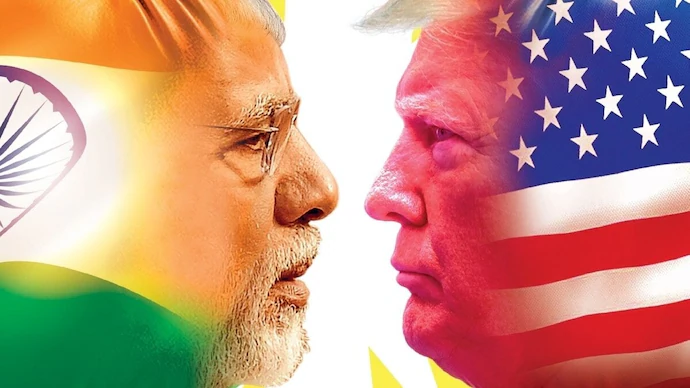

India is actively pursuing new trade agreements to offset the impact of steep US tariffs, as efforts to secure a deal with Washington remain stalled. Relations between the two countries deteriorated in August after President Donald Trump raised tariffs to 50%, threatening job losses and slowing India’s ambitions to become a global manufacturing and export hub.
In response, New Delhi has accelerated its diversification strategy, signing or operationalising four trade agreements in 2025, including a major deal with the United Kingdom.
Negotiations are now underway with the European Union, the Eurasian Economic Union, Mexico, Chile, and the Mercosur bloc, either to expand existing agreements or establish new trade links. Experts note that successful deals would give India trade arrangements with nearly every major economy, spreading risk and reducing overreliance on the US market.
The US tariffs, imposed to curb India’s purchases of Russian oil, have particularly affected labour-intensive sectors such as textiles. The UK trade deal is expected to potentially double garment exports over the next three years, while a potential EU agreement could yield even larger gains.
Smaller agreements, like those with Oman and New Zealand, provide strategic access to broader regions, foreign investment, and signal India’s willingness to compromise on trade terms.
While diversification has boosted exports to the EU and China, analysts caution that alternative markets cannot fully replace the US. India’s goods exports rose 19% in November 2025, aided by electronics and marine product shipments, yet securing a US trade deal remains a priority.
Indian trade experts emphasise the importance of not putting “all eggs in one basket” and using alternative markets to mitigate risks from trade disruptions with its largest trading partner.
The strategy reflects India’s broader aim of becoming a resilient export powerhouse, leveraging multiple markets while navigating geopolitical and trade-related uncertainties. Officials and business leaders alike see diversification as a necessity to sustain growth amid the ongoing limbo over US trade negotiations.
