

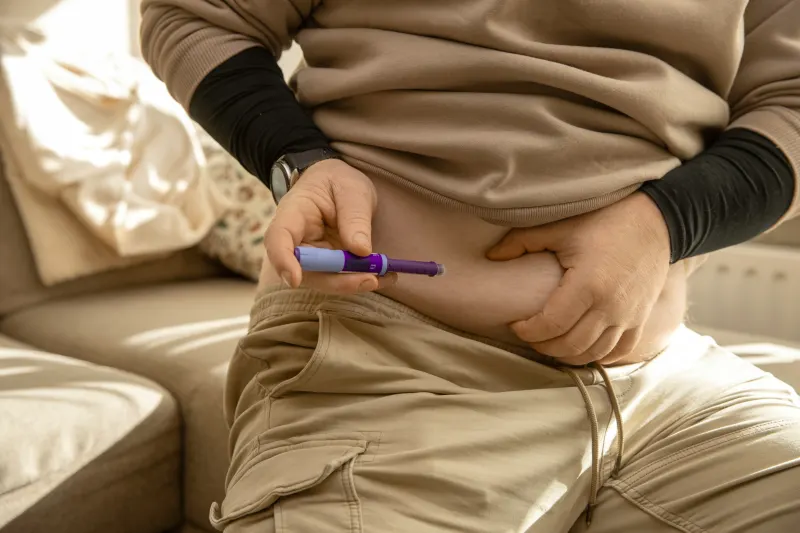

A new study shows people regain weight much faster after stopping the latest generation of weight-loss drugs than after diet and exercise alone. Researchers reviewed 37 studies on medications including GLP-1 agonists like semaglutide (Ozempic, Wegovy) and tirzepatide (Mounjaro, Zepbound).
While participants lost an average of 15 kilograms on these drugs, they regained about 10 kilograms within a year, projecting a return to original weight in 18 months. Heart health measures, such as blood pressure and cholesterol, also reverted within roughly 1.4 years.
In comparison, people who lost weight through diet and exercise regained weight much more slowly, taking around four years to return to baseline. This means weight regain after medication is roughly four times faster.
Lead author Sam West noted that greater initial weight loss tends to accelerate weight regain, but the faster rebound occurs even when controlling for how much weight was lost.
Public health experts emphasise that GLP-1 drugs are valuable tools for obesity treatment, but obesity remains a chronic, relapsing condition. Susan Jebb from Oxford University stressed these medications are a “starting point, not a cure,” likening them to long-term treatments for conditions like high blood pressure.
Sustainable results will likely require combination strategies, lifestyle changes, and therapies that target how the brain regulates energy balance, rather than just appetite suppression.
The study also raises questions about the cost-effectiveness of these expensive treatments, which can exceed $1,000 per month in the US, especially given high discontinuation rates due to side effects like nausea.
Researchers recommend patients and health systems plan for long-term treatment strategies rather than expecting permanent weight loss from short-term use.
