

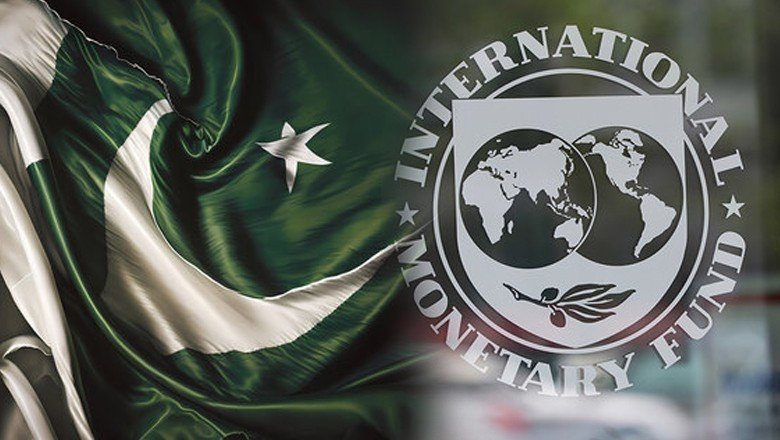

The federal government is actively considering seeking relaxation from the International Monetary Fund (IMF) in the fiscal framework of the FY27 budget, aiming to revive economic growth and ease pressure on industry. The proposal reflects growing concern within policymaking circles over slowing economic activity and rising criticism of rigid IMF-linked conditions.
Officials believe the existing macroeconomic targets under the IMF’s Extended Fund Facility (EFF) have constrained growth by increasing taxes and sharply raising electricity and gas tariffs. As a result, the government is exploring options to renegotiate select targets to create fiscal space for pro-growth measures.
Possible Relaxation in Fiscal Targets
The government is evaluating a request for flexibility in primary balance targets and provincial surplus requirements for FY27. In addition, policymakers may seek permission to set a slightly higher fiscal deficit in the upcoming budget. The aim is to redirect resources toward growth-oriented initiatives without undermining macroeconomic stability.
This shift signals a broader change in strategy as the government enters the third year of its term. The focus has now moved toward accelerating growth, with an internal target of achieving 5 to 6 percent GDP expansion.
Industry Relief and Export-Led Growth
Export-led growth has emerged as the government’s top priority. Prime Minister Shehbaz Sharif has instructed the Ministry of Finance and the Federal Board of Revenue to work closely with the business community. The objective is to attract domestic and foreign investment while addressing rising unemployment and poverty.
Officials are particularly concerned about the trade deficit recorded between July and December of the current fiscal year. Policymakers believe reducing production costs is essential for improving export competitiveness.
Power Tariff Reduction and Tax Incentives
One major proposal under discussion involves a further reduction in electricity tariffs for industries. Lower energy costs would help Pakistani exporters compete in international markets. However, this move requires fiscal room, which the government hopes to secure through IMF flexibility.
Alongside tariff relief, the government plans to offer targeted tax incentives. A key measure includes the gradual reduction of the super tax on the manufacturing sector, subject to IMF approval.
Super Tax Reform Plan
Under the proposed industrial policy, the super tax rate for manufacturing would be reduced gradually to 5 percent over four years. If a primary surplus is achieved, the tax would be abolished entirely in the fifth year.
The government also plans to revise income thresholds. The minimum income level subject to super tax may rise from Rs200 million to Rs500 million. Similarly, the threshold for the 10 percent super tax could increase from Rs500 million to Rs1.5 billion, with the rate halved over four years.
IMF approval remains pending, making these reforms conditional rather than guaranteed.
Investment and Credit Expansion
Boosting investment is another central pillar of the strategy. The Special Investment Facilitation Council has been tasked with identifying opportunities to attract capital across key sectors.
At the same time, the government wants to leverage easing inflation to cut the policy rate, making borrowing cheaper for businesses. Authorities are also considering specific lending targets for banks, particularly to expand credit for small and medium enterprises.
Balancing Growth and Stability
While seeking flexibility, the government remains cautious about maintaining fiscal discipline. Officials argue that measured IMF relaxations, rather than a complete departure from agreed targets, could help Pakistan transition from stabilization to sustainable growth.
The outcome will depend on upcoming negotiations with the IMF, which will determine how much room Pakistan gains in shaping its FY27 budget strategy.
