


The United Kingdom has begun enforcing a major ban on junk food advertising. The new rules came into force on Monday. The government describes the move as world-leading action against childhood obesity. The ban targets foods high in fat, salt, or sugar.
The restrictions apply to daytime television and all paid online advertising. Adverts shown before the 9pm watershed are now prohibited. Online junk food ads are banned at any time of day. The policy aims to reduce children’s exposure to unhealthy food marketing.
Health officials say the ban will significantly improve children’s diets. The government believes advertising plays a strong role in shaping eating habits from an early age.
What the New Junk Food Ad Ban Covers
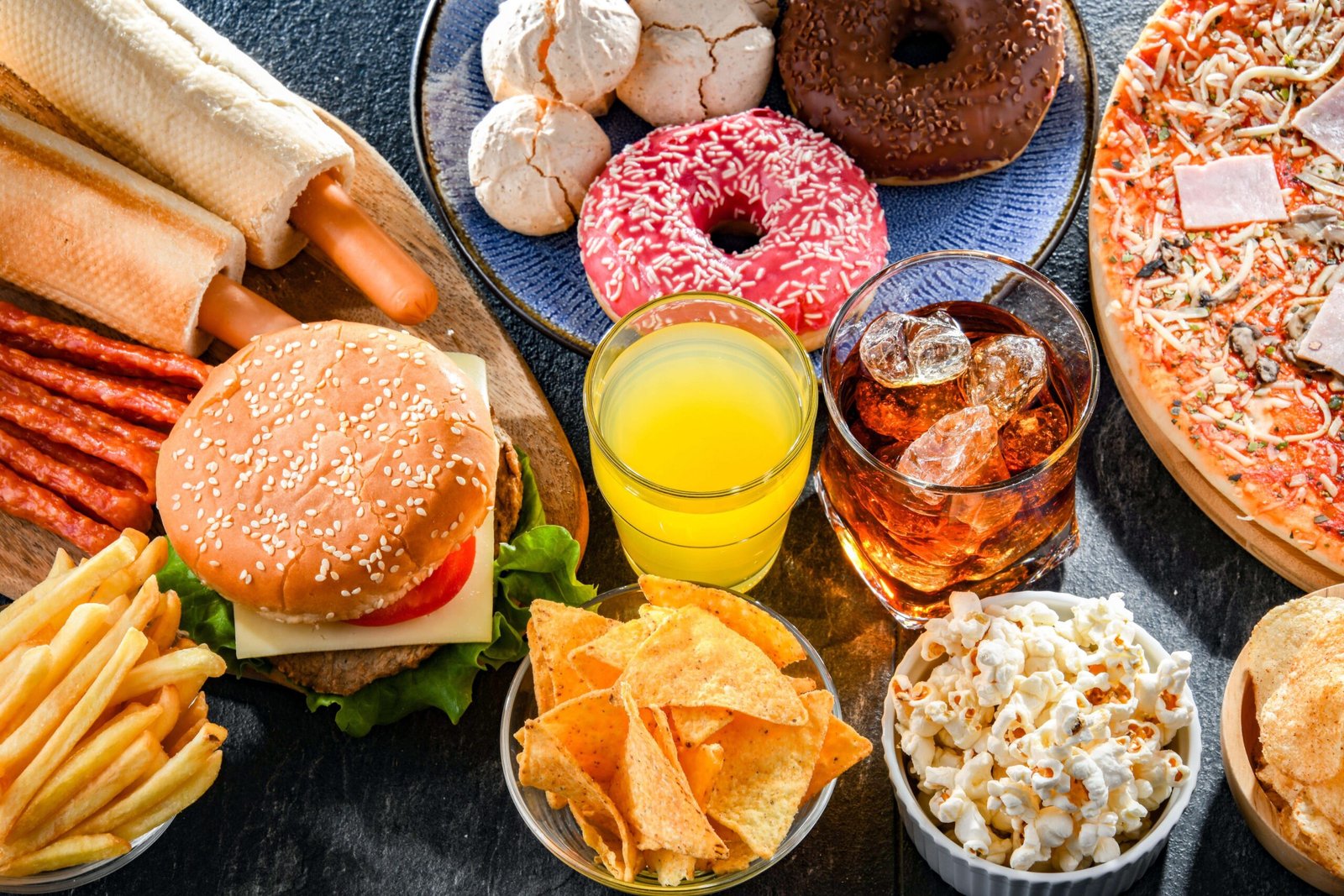
The new regulations focus on products classified as high in fat, salt, or sugar. These foods are often called junk foods. They include sweets, sugary drinks, fast food items, and processed snacks.
Television adverts for these products are no longer allowed before 9pm. This is the time when many children watch TV. The rules also apply to streaming platforms and video-on-demand services.
Paid advertising for junk food online is fully banned. This includes social media promotions, search ads, and sponsored content. Influencer marketing linked to paid promotions is also affected.
According to the health ministry, the ban could remove up to 7.2 billion calories from children’s diets every year. Officials estimate the policy will reduce the number of children living with obesity by around 20,000. The long-term health benefits are valued at nearly £2 billion.
Government Strategy to Tackle Childhood Obesity
The junk food advertising ban was first announced in December 2024. It is part of a wider public health strategy. The government wants to reduce pressure on the National Health Service.
Recent measures include an expanded sugar tax. The tax now applies to pre-packaged drinks such as milkshakes, sweetened yoghurts, and ready-to-drink coffees. These products were previously exempt.
Local councils have also received new powers. They can block fast food outlets from opening near schools. The aim is to limit easy access to unhealthy food for students.
Officials cite alarming health data. Around 22 percent of children in England are overweight or obese when starting primary school. By age 11, this figure rises to more than one third. Tooth decay remains the leading cause of hospital admissions for children aged five to nine.
Health Minister Ashley Dalton said limiting junk food advertising would reduce harmful exposure. He added the policy supports prevention, not just treatment, within the NHS.
Health Groups Welcome the Advertising Restrictions
Health charities have widely welcomed the new rules. The Obesity Health Alliance called the ban long overdue. Its leaders said children need stronger protection from unhealthy food marketing.
Diabetes UK also praised the move. The charity warned that type 2 diabetes is increasing among young people. Obesity is a major risk factor for the disease.
The group highlighted serious long-term risks. These include heart disease and kidney failure. Experts say early prevention is critical to avoid lifelong health problems.
Supporters believe the advertising ban will shift food choices over time. They argue it will help families make healthier decisions. The government says it will continue monitoring the impact of the policy.
