

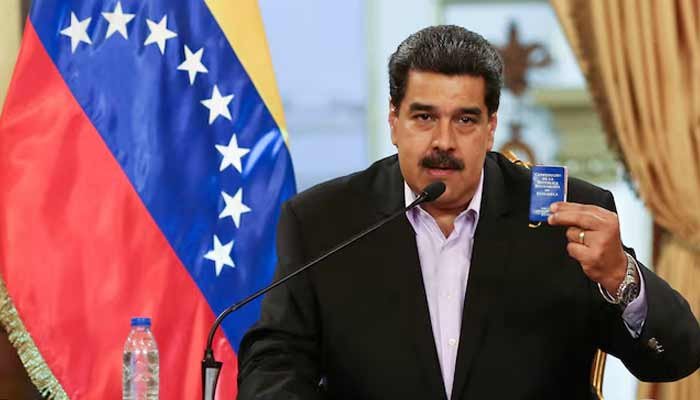

Venezuela’s long-time leader Nicolas Maduro, seized by US special forces after more than a decade in power, ruled the country with an iron grip while cultivating an image of a humble man of the people.
A former bus driver, Maduro often sought to deflect international pressure with choreographed displays of defiance, dancing at televised rallies and chanting “No war, yes peace!” even as his government faced mounting accusations of repression.
For millions of Venezuelans, the image rang hollow. Under Maduro’s rule, more than seven million people fled the country amid economic collapse, widespread shortages and allegations of arbitrary arrests, torture, censorship and rigged trials. Venezuela endured four straight years of hyperinflation and saw its economy shrink by around 80% over a decade.
First elected in 2013 after being handpicked by Hugo Chavez, Maduro went on to claim re-election in 2018 and 2024 in votes widely denounced as fraudulent.
His grip on power relied heavily on the loyalty of the military, security forces and paramilitary groups, as well as support from allies such as Russia, China and Cuba. Protests were repeatedly met with deadly force, including after the disputed 2024 election, when dozens were killed and thousands detained.
Maduro’s rise through the ranks of the socialist movement included stints as a lawmaker, foreign minister and vice president.
Though lacking Chavez’s charisma, he survived years of sanctions, oil price crashes and diplomatic isolation. Attempts by the opposition and foreign governments to unseat him, including recognition of rival leaders, ultimately failed.
Throughout his rule, Maduro projected himself as a Marxist, a Christian and a cultural everyman, appearing constantly on state media. Yet behind the slogans and symbolism, his government is under investigation by the International Criminal Court for alleged human rights abuses, marking a turbulent and deeply divisive chapter in Venezuela’s history.
