

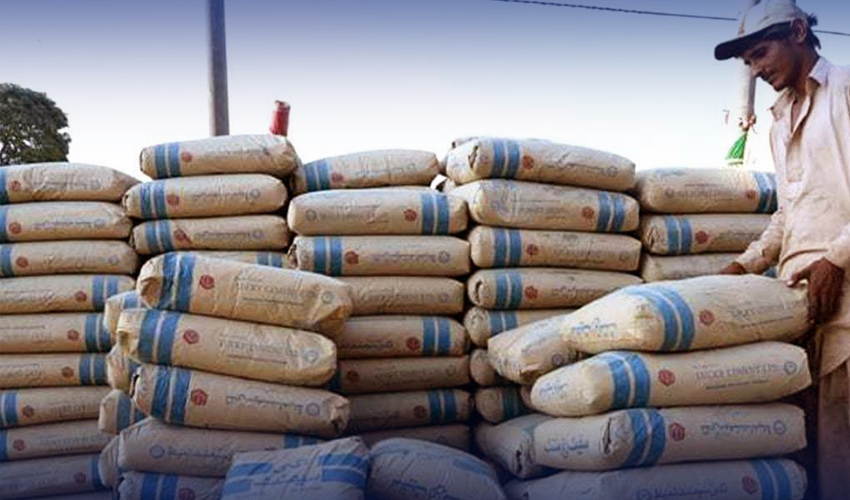

1. Economic Context (2018)
GDP Growth: Pakistan’s GDP was growing steadily at 6.15% year-on-year.
Infrastructure Development: The Public Sector Development Program (PSDP) and CPEC projects led to sustained construction activity.
Private Sector & Housing Boom: Real estate and housing schemes were expanding rapidly, benefiting construction-related industries.
Spillover Benefits:
Cement manufacturers
Steel producers
Allied industries like bricks, aggregates, and construction chemicals
Outcome:
Many cement manufacturers were operating at or near full capacity.
Expansion plans were launched to meet the growing demand, supported by economic certainty and government incentives like investment amnesty schemes for builders.
2. Expansion Frenzy: Why It Happened
Historical Patterns: The industry had seen three significant capacity expansion waves since 1995:
1995: 10 million tons
2018: ~49 million tons produced
Expected capacity by 2021: ~73 million tons
Logic Behind Expansion:
High demand and healthy profit margins justified large-scale capacity additions.
Expansion was “organic”: manufacturers typically expanded after seeing sustained demand trends.
Government Role:
Economic stability and supportive policies encouraged investment in new plants, kilns, and modern machinery.
3. The Impact of the Downturn (Post-2019)
Global & Local Shocks:
COVID-19 pandemic drastically reduced construction activity.
Economic slowdown reduced domestic and industrial demand for cement.
Financial Strain:
Expansion costs (new plants, machinery, loans) weighed heavily on manufacturers’ balance sheets.
Falling demand meant overcapacity and declining utilization rates, reducing profit margins.
4. Industry Overview
Contribution: The cement industry contributes 7–8% of large-scale manufacturing in Pakistan.
Connected Sectors: Steel, construction, logistics, and real estate depend heavily on cement production.
Capacity vs Demand (2018–2023):
Production capacity jumped over 8-fold from 1995 to 2023, reflecting repeated waves of expansion.
Small and mid-size manufacturers also participated in expansions, sometimes overestimating market demand.
5. Current Challenges
Overcapacity: Production capacity may exceed demand, leading to:
Idle plants
Increased per-unit production costs
High Debt & Fixed Costs: Many expansions were financed with debt, increasing financial risk.
Declining Margins: Reduced construction activity and falling prices put pressure on profitability.
Market Saturation: Even post-pandemic recovery may not absorb all the additional capacity quickly.
6. Future Outlook & Strategic Considerations
Short-Term Strategies:
Manufacturers may slow or halt further expansion.
Focus on efficiency, cost control, and energy savings.
Medium-Term Opportunities:
Post-pandemic infrastructure and housing recovery could gradually absorb excess capacity.
Export markets may be explored for surplus production.
Risk Mitigation:
Diversification into related construction materials
Strategic mergers or acquisitions to consolidate market share
7. Conclusion
The cement expansion boom after 2018 was a rational response to economic growth, rising construction demand, and government incentives. However, unforeseen events like the COVID-19 pandemic and economic slowdown exposed the vulnerabilities of aggressive capacity expansion. Moving forward, efficiency, cautious investment, and demand forecasting will be critical for Pakistan’s cement manufacturers to remain profitable.
