

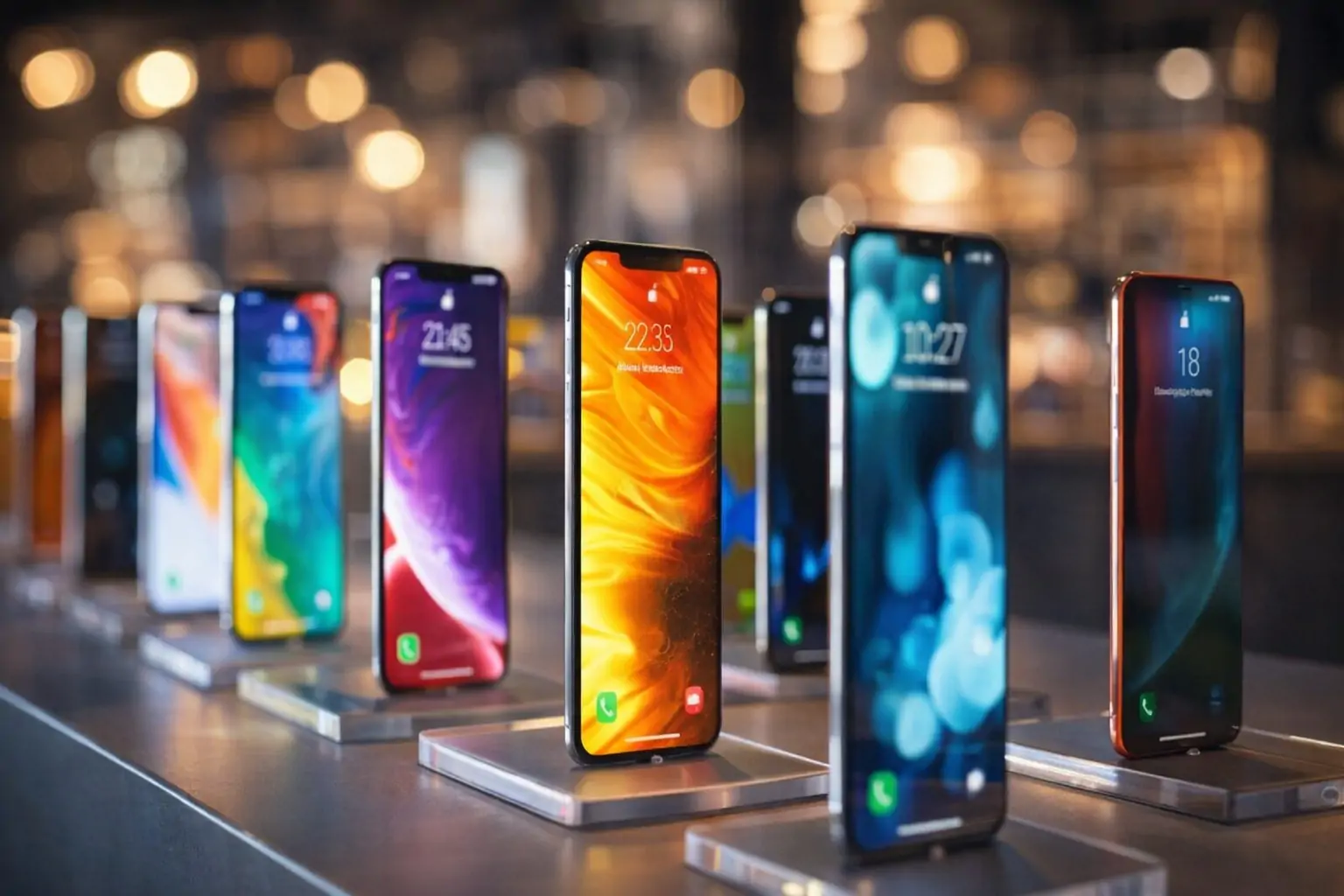

Smartphone prices are expected to rise in 2026 as AI drives up demand for memory components, according to recent market reports. The surge is largely linked to Dynamic Random Access Memory (DRAM), essential for both smartphones and AI data centers.
As AI adoption accelerates, tech companies are redirecting RAM resources from consumer devices to AI infrastructure, creating supply constraints that impact smartphone manufacturing costs.
The International Data Corporation (IDC) projects DRAM supply growth to reach only 16% year-on-year in 2026, below historical averages. This limited expansion is expected to push manufacturers like Apple, Samsung, and Google to pass higher production costs onto consumers, potentially increasing smartphone prices.
IDC senior research director Nabila Popal noted that the upcoming memory shortage could “hit the market hard,” forcing vendors to adjust prices upward.
Counterpoint Research further anticipates a global decline in smartphone shipments by 2.1% next year. They also predict DRAM prices could rise by up to 40% in the second half of 2026.
While larger manufacturers with diverse product ranges, such as Apple and Samsung, are likely to absorb some of the cost pressures, smaller companies and lower-end smartphone markets may face significant challenges.
Analysts suggest the average selling price for smartphones could increase by roughly 6.9% in 2026. For example, the base model iPhone 17 Max may see a price rise from $1,199 in 2025 to approximately $1,281.
The combination of memory shortages, growing AI infrastructure demands, and manufacturing cost pressures is expected to reshape the smartphone market next year, affecting affordability and consumer choices worldwide.
Overall, the interplay between AI growth and memory allocation will play a key role in determining device pricing trends, emphasizing how technological advances in one sector can ripple across the consumer electronics industry.
