

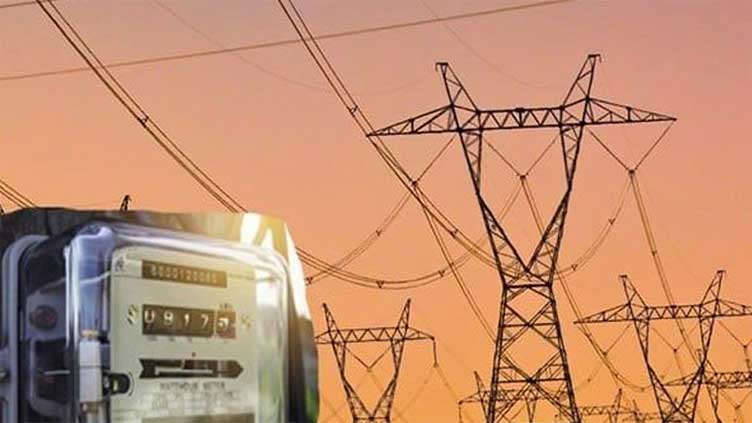

ISLAMABAD: Electricity prices in Pakistan are likely to decrease by 72 paisa per unit under the monthly fuel adjustment mechanism, offering potential relief to consumers amid ongoing cost-of-living pressures. The National Electric Power Regulatory Authority is scheduled to take up a petition filed by the Central Power Purchasing Agency today, seeking approval for the proposed reduction in power tariffs.
According to data submitted by CPPA, distribution companies received 7.813 billion units of electricity during November. During the same period, the average cost of electricity generation stood at Rs6.16 per unit. Officials stated that the proposed adjustment reflects changes in fuel costs and the overall energy mix used to generate power during the month.
In terms of generation sources, hydropower remained the largest contributor, accounting for 39.16 per cent of total electricity production. Local coal provided 9.34 per cent, while imported coal contributed 5.06 per cent. Gas-based generation stood at 8.44 per cent, and imported liquefied natural gas accounted for 8.64 per cent. Meanwhile, nuclear energy played a significant role, supplying 25.23 per cent of total electricity generated in November.
Regulators will examine these figures before issuing a final determination. If approved, the adjustment will apply to consumer bills in an upcoming billing cycle, subject to regulatory procedures.
Fuel price cuts may add broader relief
Meanwhile, developments on the fuel front also point toward potential financial relief for consumers. Earlier reports indicated that petroleum prices in Pakistan are expected to decline for the next fortnight, starting January 1, 2026. Sources said the price of petrol could fall by Rs10.60 per litre, while high-speed diesel may see a reduction of Rs8.59 per litre.
In addition, light diesel oil prices are likely to drop by Rs6.62 per litre, whereas kerosene oil could be reduced by Rs8.92 per litre. If these reductions materialise, petrol prices may decline from Rs263.09 to Rs252.85 per litre. Similarly, high-speed diesel prices could fall from Rs267.80 to Rs259.21 per litre.
Sources further revealed that the Oil and Gas Regulatory Authority is expected to forward its pricing recommendations to the Petroleum Division on December 31. After that, Prime Minister Shehbaz Sharif will review the summary. Once approval is granted, the Petroleum Division will formally announce the revised prices.
Taken together, the expected reductions in electricity and fuel prices may provide temporary relief to households and businesses. However, analysts caution that long-term stability will depend on sustained reforms in the energy sector and global market trends.
