

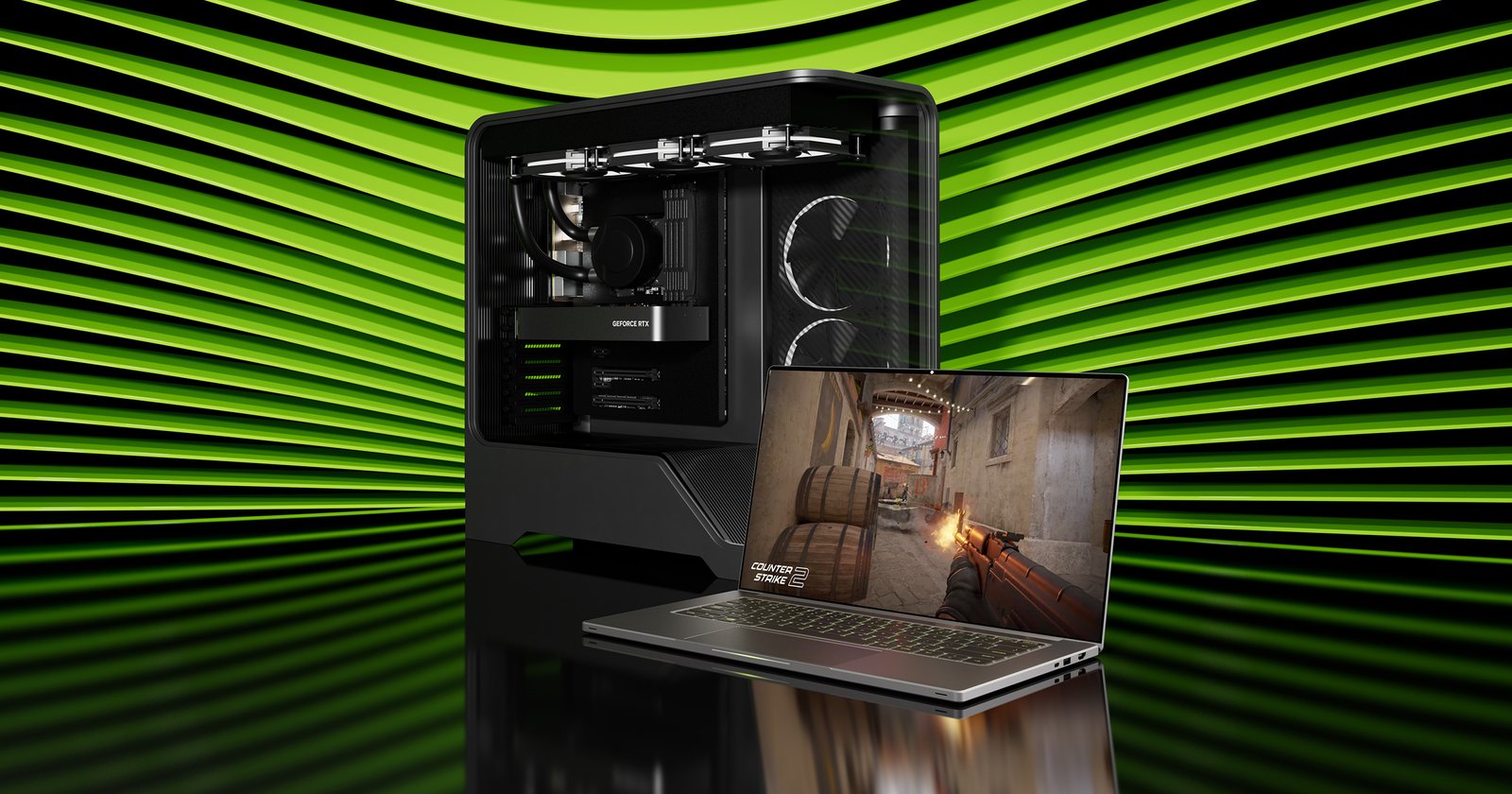

In June 2025, NVIDIA officially announced the GeForce RTX 5050, targeting entry-level 1080p gamers and eSports enthusiasts. Leveraging the Blackwell architecture and DLSS 4, the RTX 5050 promises a significant leap in performance over its predecessor, the RTX 3050.
Key Specifications
-
Architecture: NVIDIA Blackwell
-
CUDA Cores: 2,560
-
Tensor & RT Cores: 5th-Gen Tensor Cores, 4th-Gen RT Cores
-
Memory: 8GB GDDR6 on a 128-bit bus
-
Performance: ~60% faster in rasterization, 4x faster with DLSS 4 compared to RTX 3050
-
Power: 130W TDP, single 8-pin PCIe power connector, compatible with 550W PSUs
-
Video Tech: 9th Gen NVENC, 6th Gen NVDEC
Target Audience
The RTX 5050 is designed for:
-
Entry-level gamers seeking smooth 1080p performance.
-
Users upgrading from older GPUs such as the GTX 1650.
-
eSports enthusiasts who need high frame rates without breaking the bank.
Availability & Pricing
The GeForce RTX 5050 launched in the second half of July 2025, with an MSRP of $249. It is available from NVIDIA partners including ASUS, GIGABYTE, and in select pre-built systems.
What It Means
With Blackwell architecture, DLSS 4 support, and modern video encoding/decoding capabilities, the RTX 5050 brings desktop-grade performance to entry-level systems. Gamers can now enjoy high frame rates and ray-tracing features at 1080p without investing in high-end cards, making it a strong contender in the budget gaming segment.
