


ISLAMABAD: The Foreign Office (FO) on Monday condemned the persecution of minorities in India following a series of violent incidents ahead of Christmas. The statement highlighted recent attacks on Christian and Muslim communities, noting that such acts deepen fear and marginalisation among vulnerable groups.
Vandalism and Attacks During Christmas Celebrations
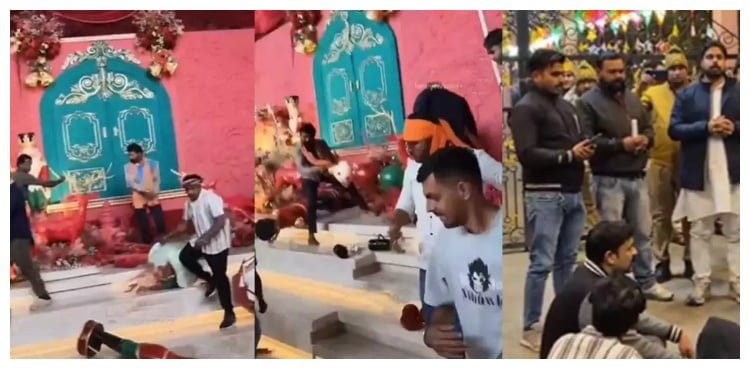
According to reports from Indian media, mobs armed with sticks vandalised Christmas decorations at a shopping mall in Raipur, Chhattisgarh, while right-wing groups disrupted school events and burned holiday merchandise in Assam, Kerala, and Uttar Pradesh. The FO specifically cited attacks on schools and malls, where mobs threatened staff and destroyed Christmas installations, as examples of targeted religious intolerance.
In Assam’s Nalbari district, members of the Vishva Hindu Parishad Bajrang Dal vandalised St. Mary’s School in Panigaon village, destroying banners and posters prepared for Christmas celebrations. The FO described such incidents as “condemnable” and said they contribute to an atmosphere of fear for minority communities.
Continued Concerns Over Muslim Persecution
The FO also highlighted longstanding concerns regarding state-sanctioned actions against Muslims, including demolitions of homes and repeated lynchings. The case of Muhammad Akhlaq, who was beaten to death in 2015 in Uttar Pradesh amid allegations of consuming beef, was cited as a prominent example. His family’s case has seen continued legal controversies, with the government reportedly attempting to withdraw proceedings against the accused.
Pakistan’s Foreign Office urged the international community to take notice of the situation and take measures to protect the fundamental rights of vulnerable communities in India. The statement emphasised that the list of victims of religious persecution is long and ongoing, and that international attention is necessary to prevent further injustices.
The FO’s warning comes amid growing reports of religiously motivated violence in India, highlighting the importance of safeguarding minority rights during religious festivals and beyond.
