

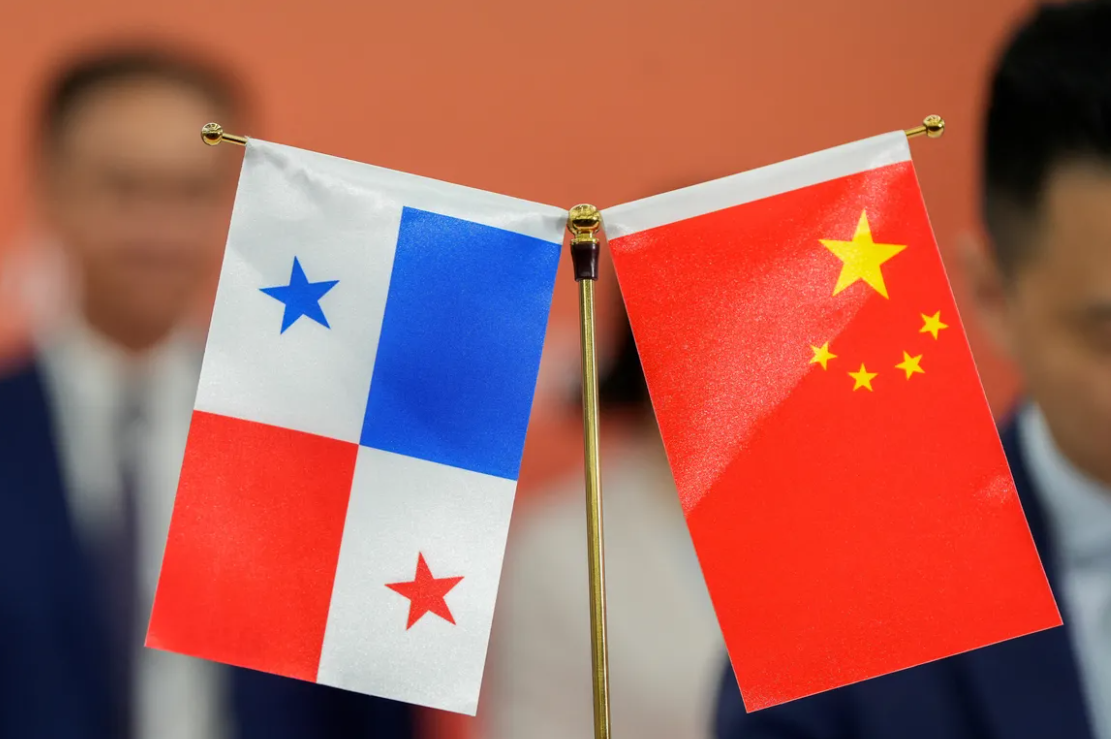

Authorities in Panama ordered the demolition of a monument symbolising friendship with China near the Panama Canal. The removal occurred Saturday night in Arraijan, overlooking the Bridge of the Americas. Officials cited structural damage as the reason, claiming the site posed a safety risk.
However, critics, including Panama’s president, have condemned the act as unnecessary and irrational. President Jose Raul Mulino called the demolition “an unforgivable act of barbarity” with no justification. The move has triggered diplomatic friction between Panama and China.
China Responds to Demolition
China’s ambassador to Panama, Xu Xueyuan, personally inspected the site and expressed deep concern over the incident. He described it as a “great pain for bilateral friendship” and highlighted the impact on the 300,000-strong Chinese-Panamanian community.
The Chinese embassy demanded a thorough investigation and called for severe sanctions against those responsible. Videos from local media showed some community members attempting to intervene, but police blocked access. The demolition has been widely criticised in Beijing as “illegal, improper, and vandalistic.”
Geopolitical Context: US and China Canal Interests
The Panama Canal, spanning 80 kilometres, handles around five percent of global maritime trade. The United States controlled the canal from 1914 until 1999, after which Panama assumed full control.
In recent months, US President Donald Trump has threatened to retake control, claiming China wields excessive influence over canal operations. Trump has also demanded preferential conditions for US vessels navigating the waterway.
Meanwhile, Chinese companies maintain significant commercial presence near the canal. Hong Kong-based Hutchison Holdings operates ports on both the Pacific and Atlantic sides, though plans exist to sell them to US-based BlackRock. This has added further complexity to regional trade and strategic calculations.
Local and International Reactions
The demolition has drawn criticism from multiple stakeholders. Panama’s government faces pressure to manage diplomatic relations with China carefully. Meanwhile, local Chinese-Panamanian residents have expressed outrage over the destruction.
Observers note that the act may exacerbate tensions amid ongoing US-China rivalry over influence in Latin American trade routes. The incident underscores the sensitive balance of national pride, foreign investment, and geopolitical interests around the Panama Canal.
Implications for Panama-China Relations
Experts warn that the incident could strain Panama-China ties if not resolved diplomatically. Both countries have historically emphasised economic cooperation, including infrastructure projects and trade agreements. The monument’s removal highlights how symbolic gestures can escalate political tensions.
As Panama navigates these challenges, the situation remains fluid. International stakeholders, including the United States, will closely monitor developments regarding canal access and strategic influence in the region.
