

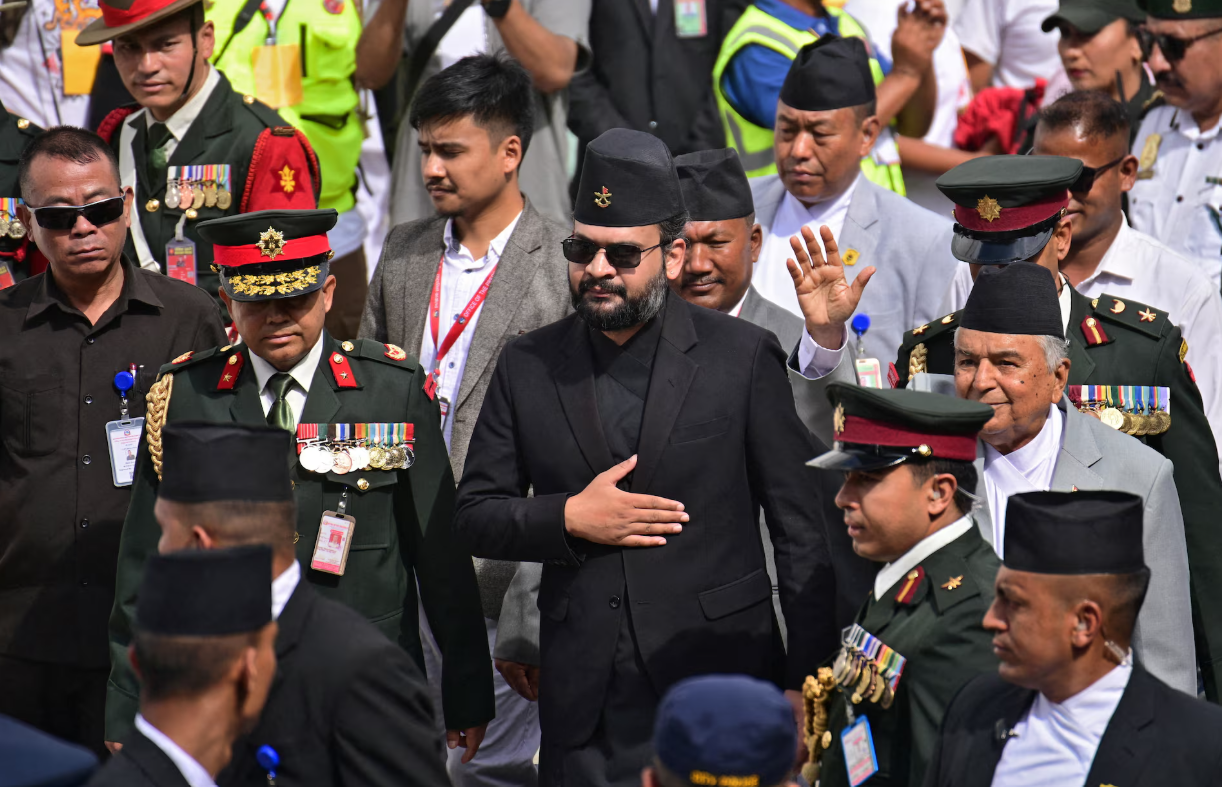

Nepal’s former rapper and Kathmandu mayor, Balendra Shah, popularly known as Balen, has joined the Rastriya Swatantra Party ahead of March parliamentary elections. The party is led by former TV host-turned-politician Rabi Lamichhane. Party officials confirmed the alliance on Sunday, marking a strategic move to attract young voters.
Under the agreement, 35-year-old Balen will assume the role of prime minister if the RSP wins the upcoming elections, while Lamichhane, 48, will continue as party chief. Both leaders have pledged to address the demands raised during September’s youth-led protests against corruption.
The Gen Z Protests and Political Shift
The youth-led protests, involving mostly Generation Z, erupted in September against widespread corruption. The demonstrations resulted in 77 casualties and contributed to the resignation of Prime Minister K.P. Sharma Oli. Balen emerged as an influential, though largely undeclared, figure during the protests, rallying young supporters mainly through social media.
Analysts have called the alliance between Balen and the RSP a smart strategic move. Bipin Adhikari noted that traditional parties fear losing their young voter base to the RSP. Approximately 19 million of Nepal’s 30 million citizens are eligible voters, with nearly one million youth added to the rolls after the protests.
Balen’s Role and Interim Government
Following the protests, Balen assisted in forming an interim government under former Chief Justice Sushila Karki, tasked with overseeing fair elections. Despite his growing popularity, some critics question his limited public appearances during the protests, noting that he primarily engaged with supporters online.
Challenge to Traditional Parties
Nepal’s political landscape has long been dominated by the Communist Party of Nepal (Unified Marxist-Leninist) and the centrist Nepali Congress. The Balen-Lamichhane alliance represents a potential challenge to these traditional powerholders. Lamichhane is known for his anti-corruption campaigns as a TV host and formed the RSP ahead of the 2022 elections.
However, Lamichhane faces legal issues and is out on bail over alleged misuse of cooperative funds. Despite these controversies, the alliance aims to capitalize on youth support and anti-establishment sentiment.
Mixed Reactions and Political Forecast
While supporters see the alliance as a generational shift in Nepalese politics, traditional parties remain skeptical. Prakash Sharan Mahat, spokesperson for the Nepali Congress, described Balen and Lamichhane as controversial leaders. He argued their alliance is unlikely to significantly alter election outcomes, suggesting voters may still favor established parties with long-term experience.
As Nepal prepares for the March 5 elections, the Balen-Lamichhane partnership signals a dramatic attempt to reshape national politics. The impact of their alliance will test the appeal of youth-driven movements against decades-old political structures.
