


Bangladesh’s student-led National Citizen Party has entered an electoral alliance with Jamaat-e-Islami ahead of February’s parliamentary election. The decision has triggered resignations and exposed deep ideological fractures within the young political movement.
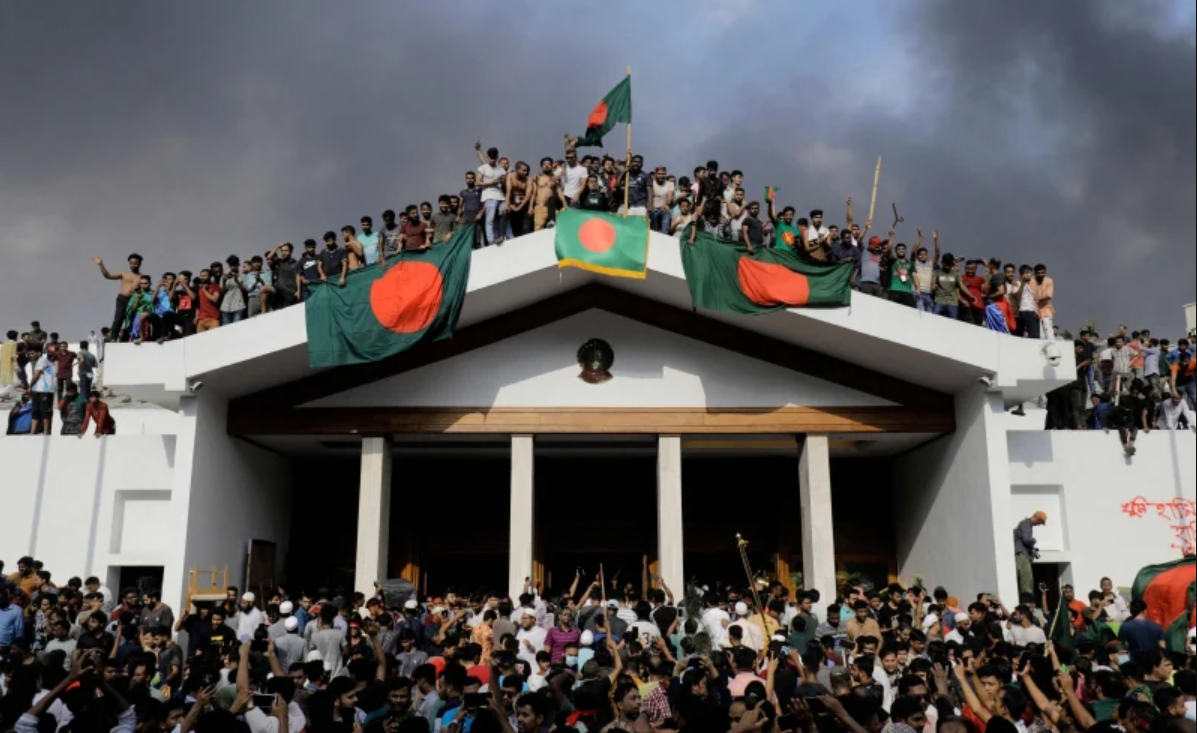
The NCP emerged from last year’s mass protests that ended the long rule of former Prime Minister Sheikh Hasina. Since then, the party projected itself as a centrist and reform-driven alternative to entrenched political dominance. However, as elections approach, electoral realities have begun to test its founding ideals.
NCP chief Nahid Islam announced that the alliance was formed for greater unity in a fragmented political environment. He also confirmed that the final list of candidates will be announced on Monday. According to party leadership, the partnership is a strategic move rather than an ideological merger.
Internal Rifts Deepen After Jamaat Tie-Up
Despite leadership assurances, the alliance has already caused visible internal dissent. Tasnim Jara, a senior party leader and medical doctor, resigned in protest. She had left a career abroad to help build the NCP from its early days. She has announced plans to contest the election as an independent candidate.
Several other party members have also stepped away from the NCP. Critics argue that the Jamaat partnership contradicts the party’s original promise of principled reform. Many student supporters feel alienated by the move. One university student said the alliance erased his moral support for the party.
Consequently, the NCP now faces the challenge of retaining credibility among the youth base that powered its rise. The party must balance electoral pragmatism with ideological consistency. This tension now defines its first major electoral test.
Shifting Political Landscape Ahead of February Vote
Meanwhile, Bangladesh’s broader political environment is also changing rapidly. The Bangladesh Nationalist Party has regained momentum after years of political marginalisation. The party remains aligned with former Prime Minister Khaleda Zia. Its day-to-day leadership rests with her son, Tarique Rahman.
Rahman’s return after nearly seventeen years in exile has reinvigorated party cadres nationwide. As a result, competition among opposition forces has intensified ahead of the election. Smaller parties now face pressure to consolidate or risk marginalisation.
The February 12 election will be held under an interim administration led by Nobel laureate Muhammad Yunus. His government assumed charge after Hasina’s removal and aims to stabilise the political system. The vote is widely seen as a critical step toward restoring democratic normalcy.
A Defining Moment for the NCP
Ultimately, the Jamaat alliance marks a defining moment for the National Citizen Party. The decision could expand its electoral reach, yet it risks diluting its reformist identity. How voters respond will shape the party’s future relevance.
As Bangladesh heads toward a pivotal election, the NCP’s gamble reflects the difficult transition from protest movement to governing contender. Whether unity outweighs ideological cost remains an open question.
