

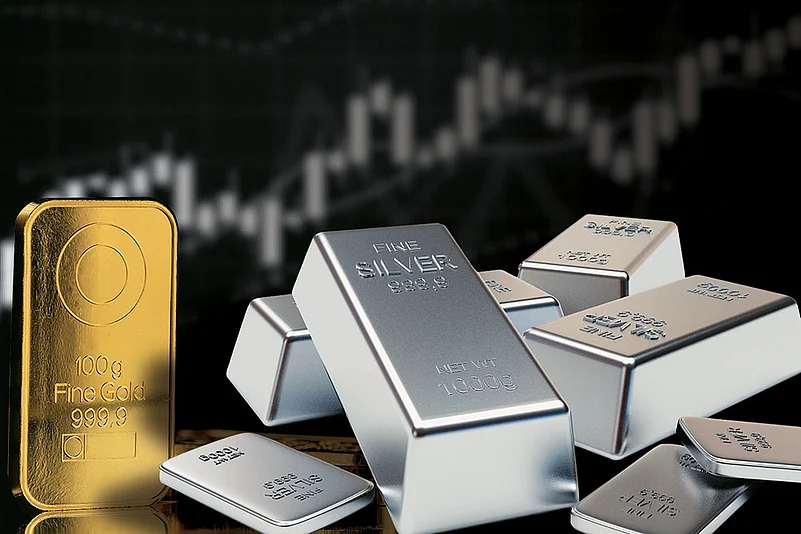

Silver prices surged past the $75 per ounce mark on Friday, December 28. This is the first time silver has reached this level in history. The milestone caps a year of extraordinary gains for the white metal. Investors and analysts are calling it one of the strongest commodity rallies of the decade. The sharp rise has drawn global attention to silver’s growing role in financial and industrial markets.
While both precious metals are trading at record highs, silver has clearly outpaced gold. Silver has gained an impressive 161 percent year-to-date. In comparison, gold has risen by about 72 percent during the same period. This gap has surprised many investors, as gold is traditionally seen as the dominant safe-haven asset. The scale of silver’s outperformance has prompted analysts to examine the unique drivers behind its surge.
The broader rally in precious metals is driven by global economic trends. Expectations of U.S. Federal Reserve interest rate cuts in 2026 have boosted investor demand. A weakening U.S. dollar has also supported higher commodity prices. Geopolitical tensions and rising global uncertainty are increasing demand for safe-haven assets. These factors have benefited both gold and silver, creating a strong foundation for higher prices.
Silver’s Unique Dual Role
Unlike gold, silver has a dual identity. It acts as both an industrial metal and a financial asset. This dual role is now playing a key part in its price surge. While gold demand is mostly investment-driven, silver benefits from real-world consumption. This combination allows silver prices to rise faster during periods of economic and technological change.
Industrial Demand Drives Strong Growth
Silver is critical to the global energy transition and technological expansion. Its unmatched electrical conductivity makes it essential across several industries. Solar power production relies heavily on silver for photovoltaic cells. The rapid expansion of renewable energy has sharply increased demand. Artificial intelligence infrastructure also depends on silver, especially in data centers and advanced electronics.
Electric vehicles are another major driver. Silver is used in EV power electronics, inverters, printed circuit boards, charging systems, and battery management units. As EV adoption accelerates worldwide, silver demand continues to rise sharply.
Investment Demand Adds Momentum
Silver is also benefiting from the same financial drivers as gold. These include inflation concerns, expected rate cuts, and central bank diversification away from traditional assets. However, silver is more volatile than gold. Its lower price per ounce makes it accessible to a larger group of retail investors. Online investor communities have also played a role by coordinating buying interest, adding further momentum to prices.
Strong demand is colliding with limited supply. Years of underinvestment in silver mining have restricted new production. Exploration activity has remained weak, limiting future supply growth. In addition, silver has been designated a critical mineral by the United States. This status highlights its strategic importance and has attracted increased policy attention and long-term investment interest.
Analysts remain optimistic about silver’s near-term outlook. Rising inflation risks and global uncertainty could support further gains. Some experts predict silver prices could reach $80 per ounce before year-end. Gold is also expected to rise, with its next major target seen near $4,686. However, silver’s stronger growth profile keeps it in focus.
Silver Emerges as 2025’s Standout Commodity
Silver’s rally is not merely a byproduct of gold’s rise. It reflects a rare alignment of forces. Industrial consumption is surging at the same time as financial and safe-haven demand. Tight supply conditions are amplifying the impact. Together, these factors have positioned silver as the standout performer of the 2025 commodity boom.
