

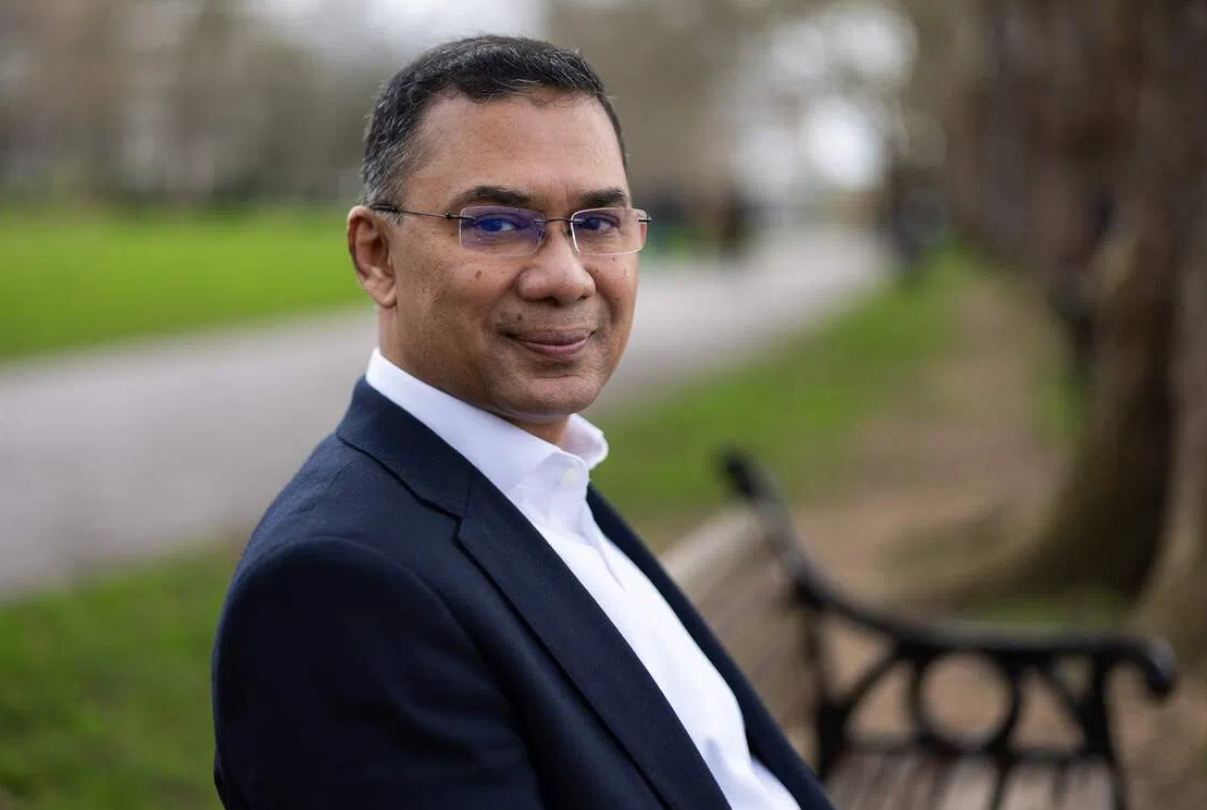

Bangladesh’s political landscape is entering a decisive phase as Tarique Rahman prepares to return home after nearly 17 years in exile. His return comes just weeks before parliamentary elections scheduled for February 12. As a result, political momentum has shifted sharply in favor of the Bangladesh Nationalist Party. Party leaders view the moment as a turning point after years of opposition setbacks.
Rahman, aged 60, is the acting chairman of the BNP and the son of former prime minister Khaleda Zia. He is widely seen as a leading contender for the premiership. Meanwhile, the BNP plans a massive public reception to signal its renewed strength.
BNP plans massive mobilisation show
The BNP has announced plans to mobilise up to five million supporters to welcome Rahman back to Dhaka. Party organisers aim to line the route from the airport to the reception venue with supporters. According to party leaders, this mobilisation will demonstrate popular backing ahead of the polls.
Senior figures within the BNP describe the event as a defining political moment. They also say they are coordinating with authorities to ensure security and order. Therefore, the gathering is expected to test both party discipline and state preparedness.
Changing political balance after Hasina’s removal
Rahman’s return follows the removal of long-time prime minister Sheikh Hasina after a student-led uprising last year. Since 1991, power largely alternated between Hasina and Khaleda Zia. However, the political order has now shifted significantly.
Recent survey data suggests the BNP is positioned to win the largest number of parliamentary seats. At the same time, Islamist parties remain in the race. In contrast, Hasina’s Awami League has been barred from contesting, raising fears of unrest that could disrupt the vote.
Legal barriers cleared after years in exile
Rahman left Bangladesh in 2008 amid multiple criminal convictions, including money laundering charges. He also faced a case linked to an alleged assassination plot against Hasina. However, courts later acquitted him of all charges after Hasina’s removal. This legal clearance removed the main obstacle to his return.
Party insiders say personal reasons also influenced his decision. His mother, Khaleda Zia, has been seriously ill for months. Consequently, Rahman plans to visit her shortly after arriving.
Election stakes and cautious optimism
Bangladesh now approaches elections under an interim administration led by Nobel laureate Muhammad Yunus. The vote is widely viewed as essential for restoring stability after prolonged unrest. However, recent attacks on media outlets and isolated violence have raised concerns.
Youth-led political groups have cautiously welcomed Rahman’s return. They describe his homecoming as symbolic and potentially unifying. Ultimately, Rahman’s return will test whether Bangladesh can manage peaceful mobilisation and deliver a credible democratic transition.
