


By Fatima Tuz Zehra
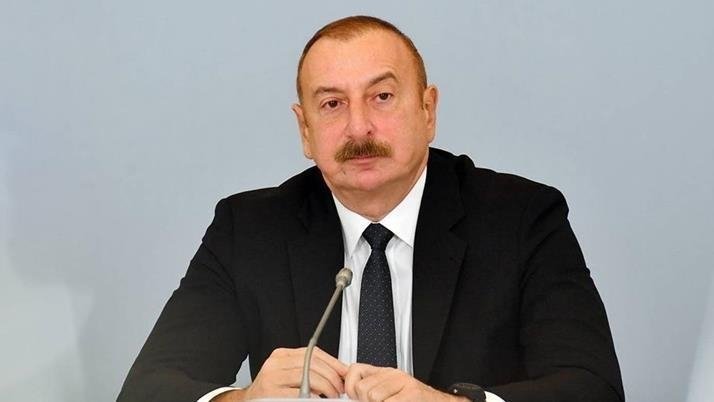
President Ilham Aliyev, born on 24 December 1961, stands among Azerbaijan’s most influential modern leaders. Since assuming office in 2003, he has guided the country through deep transformation. This transformation strengthened sovereignty, modernized the economy, and restored territorial integrity.
This article analyzes President Aliyev’s leadership vision and national achievements. It focuses on the Karabakh Victory, hosting COP29, and advancing green energy policies. Together, these developments reshaped Azerbaijan’s global position and internal resilience.
Leadership Vision in a Post-Soviet Landscape
Leadership determines national direction, especially during post-Soviet transitions. President Ilham Aliyev’s presidency represents a historic phase for Azerbaijan.
When he took office in 2003, political stability already existed. However, unresolved territorial disputes and economic challenges remained. Modernization also demanded urgent structural reform.
President Aliyev placed sovereignty at the core of national policy. He consistently stressed full control over political decisions and national resources. This principle guided domestic governance and foreign relations alike.
At the same time, he reinforced national identity. His leadership linked historical memory with future development. This approach strengthened unity during moments of national crisis.
Economic Diversification and Sustainable Growth Strategy
Economic resilience became another key pillar of President Aliyev’s vision. Azerbaijan once relied heavily on natural resources. However, diversification gradually reshaped the national economy.
Oil and gas revenues financed modernization rather than dependency. President Aliyev repeatedly framed energy income as a development tool. Infrastructure, innovation, and human capital received priority investment.
Moreover, social justice remained central to economic planning. Growth policies aimed to benefit all segments of society. This balance reduced inequality and strengthened public trust.
Azerbaijan as a Regional and Global Connector
President Aliyev envisioned Azerbaijan as a bridge between regions. The country connects East and West, North and South.
This vision materialized through transport corridors and energy networks. Strategic infrastructure projects expanded regional connectivity. As a result, geography transformed into a national advantage.
Trade routes strengthened Azerbaijan’s logistical importance. Transit revenues increased, while global integration deepened steadily.
Governance and Institutional State Building
Political stability remains one of President Aliyev’s defining achievements. The region faces constant geopolitical pressure. Yet Azerbaijan avoided instability experienced elsewhere.
Strong governance structures ensured continuity and predictability. Legal reforms modernized state administration. Institutional efficiency improved public service delivery.
These reforms also strengthened investor confidence. Foreign investment increased due to regulatory stability. Economic expansion followed institutional consolidation.
Infrastructure and Economic Performance
Azerbaijan experienced unprecedented infrastructure development. Roads, railways, ports, airports, and digital networks expanded nationwide.
Transport projects elevated Azerbaijan’s regional logistics role. Trade flows increased, while transit capacity expanded. Integration with global markets strengthened significantly.
Industrial parks accelerated domestic production. Special economic zones created employment opportunities. Together, these initiatives diversified economic output.
Social Policy and Human Development
President Aliyev’s governance also emphasized social progress. Education, healthcare, and social protection received consistent attention.
New schools and hospitals expanded service access. Social facilities improved quality of life nationwide.
Healthcare infrastructure strengthened regional inclusion.
Targeted programs supported veterans and displaced families. Low-income households received focused assistance. Economic growth translated into higher living standards.
The Karabakh Victory: A Strategic Turning Point
For decades, occupied territories remained Azerbaijan’s deepest challenge. President Aliyev consistently rejected the status quo. Restoring territorial integrity became a national priority.
The Karabakh Victory reflected years of preparation. Military reforms modernized equipment and training. Professional readiness ensured operational success.
Diplomatic engagement reinforced Azerbaijan’s legal position. Information strategy strengthened international understanding. Together, these efforts produced a decisive outcome.
President Aliyev described the victory as justice restored. National confidence surged after liberation. Azerbaijan’s regional standing strengthened considerably.
Post-Conflict Reconstruction and National Return
Following victory, reconstruction began immediately. President Aliyev launched large-scale redevelopment plans.
Liberated territories became centers of modern planning. Smart cities and green technologies shaped reconstruction. High-tech infrastructure supported long-term sustainability.
The return of displaced citizens carried symbolic importance. It reflected restoration, dignity, and national continuity. Post-conflict recovery reinforced sustainable peace.
COP29: Azerbaijan’s Diplomatic Milestone
Hosting COP29 marked a major diplomatic achievement. The nomination reflected international confidence in Azerbaijan. President Aliyev framed the event as responsibility and honor.
Azerbaijan entered global climate leadership discussions. Multilateral cooperation gained renewed momentum. COP29 elevated Azerbaijan’s international visibility. Diplomatic credibility strengthened across regions.
Balancing Energy Security and Climate Responsibility
President Aliyev adopted a pragmatic climate strategy. He advocated gradual energy transition. This approach respected developing and energy-producing states. At the same time, it supported global climate goals.
COP29 under Azerbaijan promoted climate finance dialogue. Emissions reduction and sustainability remained key themes. Fairness and shared responsibility guided discussions.
The event strengthened Azerbaijan’s mediator role. Institutional capacity for sustainability also improved domestically.
Green Energy and Environmental Commitment
Environmental sustainability became a national priority. President Aliyev advanced the Clean Environment and Green Growth agenda.
Renewable energy projects expanded rapidly. Solar, wind, and hydropower investments increased capacity. Karabakh and East Zangezur became green energy zones. This decision symbolized sustainable post-conflict development.
Clean energy exports enhanced regional cooperation. Climate engagement strengthened Azerbaijan’s global partnerships.
Strategic Partnerships and Regional Stability
President Aliyev expanded international partnerships carefully. Balanced diplomacy guided foreign policy. Azerbaijan emerged as a Eurasian energy security pillar. Natural gas exports now supply multiple countries.
Projects like the Southern Gas Corridor increased influence. Connectivity strengthened economic and political ties. Peace initiatives advanced regional stability. Dialogue supported long-term South Caucasus cooperation.
