

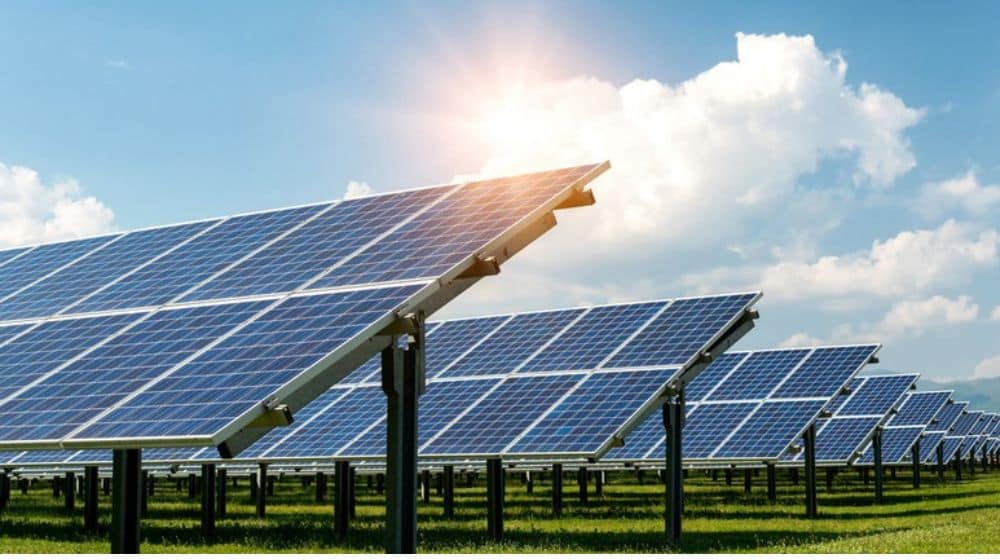

ISLAMABAD: The National Electric Power Regulatory Authority (Nepra) has advised a major policy shift to replace the existing net metering regime with a gross metering mechanism for future solar consumers. The proposed change aims to address what officials describe as a growing financial burden on conventional grid users.
Nepra has outlined the proposal in its newly drafted Prosumer Regulations, uploaded to the regulator’s website. Under the plan, future domestic rooftop solar consumers will trade electricity with their respective distribution companies through gross metering, instead of net metering.
However, existing consumers holding valid seven-year net metering contracts will continue to sell surplus electricity at Rs 22 per unit until their agreements expire.
For new solar installations, Nepra has proposed a buyback tariff of Rs 11.30 per unit under the gross metering framework. These contracts will remain valid for five years and may be extended with mutual consent. Meanwhile, the regulator has invited feedback from stakeholders and consumers within 30 days and may convene a public hearing before finalising the regulations.
Concerns over rising financial pressure
The proposed shift follows concerns that the current net metering system imposes a financial burden of up to Rs2 per unit on non-solar grid consumers. During a meeting on October 22, Prime Minister Shehbaz Sharif directed the Power Division and Nepra to review and verify the buyback tariff and assess its broader impact before implementing reforms.
Under net metering, consumers offset electricity imports with exports to the grid, which significantly reduces their power bills. In contrast, gross metering pays consumers a fixed feed-in tariff for all exported electricity, while electricity consumed from the grid is billed separately at retail rates. Officials argue this structure ensures a fairer distribution of system costs.
According to official data, the surge in rooftop solar adoption caused a 3.2 billion unit decline in grid electricity sales during FY2024. As a result, distribution companies faced revenue losses of nearly Rs101 billion, contributing to an average tariff increase of Rs0.9 per kilowatt-hour for other consumers.
Grid stability and long-term risks
Power Division projections warn that by FY2034, lost grid sales could reach 18.8 billion units, creating a Rs545 billion impact and potentially increasing tariffs by Rs5–6 per unit. Energy officials note that net metering effectively allows solar consumers to use the grid as battery storage while avoiding fixed system charges.
Furthermore, authorities highlight that new utility-scale solar projects are being contracted at below Rs10 per unit, making the Rs22 per unit net metering buyback rate financially unsustainable. The proposed gross metering tariff aims to slow tariff escalation and protect grid-connected consumers.
The rapid growth of net metering capacity, now estimated at 6,000MW nationwide, has also raised operational concerns. During winter, electricity demand often drops to 8,000–9,000MW, increasing the risk of excess daytime generation. Energy planners warn that unchecked growth could threaten grid stability, citing Sri Lanka’s solar-driven blackout as a cautionary example.
