

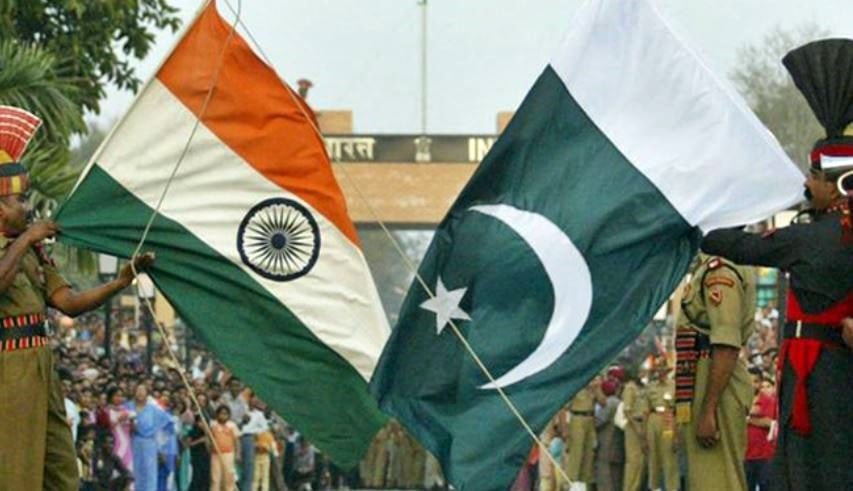

United Nations human rights experts have raised serious concerns over India’s military actions in Pakistan following the April 22 Pahalgam attack in occupied Kashmir, stating that the alleged “unlawful use of force” appears to have violated the rights to life and security of person. The observations were made in a report dated October 16 and made public on December 15.
The report, prepared by five UN special rapporteurs and an independent expert, examined India’s cross-border strikes in early May as well as New Delhi’s decision to hold the Indus Waters Treaty (IWT) in “abeyance” after the attack, which killed 26 tourists. While India blamed Pakistan without presenting evidence, Islamabad denied involvement and rejected the allegations as fabricated.
According to the experts, India did not notify the UN Security Council that its actions were taken in self-defence under Article 51 of the UN Charter, a procedural requirement.
They stressed that international law prohibits the use of force against another state’s territorial integrity unless strict conditions of necessity and proportionality are met, supported by credible evidence.
In the absence of such notification and evidence, the experts said India’s actions may themselves constitute an armed attack, risking escalation and grave harm to civilian life.
The experts further warned that India’s unilateral move to suspend obligations under the IWT could severely impact Pakistan’s human rights. Any disruption to river flows, they noted, could threaten livelihoods, food security, access to water, and a clean and sustainable environment in a country already facing water stress and climate vulnerability.
They emphasised that water must never be used as a tool of political pressure and that states have obligations to avoid transboundary harm.
The report also questioned the legality and proportionality of holding the treaty in abeyance, stating there appeared to be no valid legal grounds under international law.
The experts urged India to halt alleged violations, engage in dialogue, respect treaty obligations, and pursue peaceful settlement of disputes, including the Kashmir issue, in accordance with international law.
