

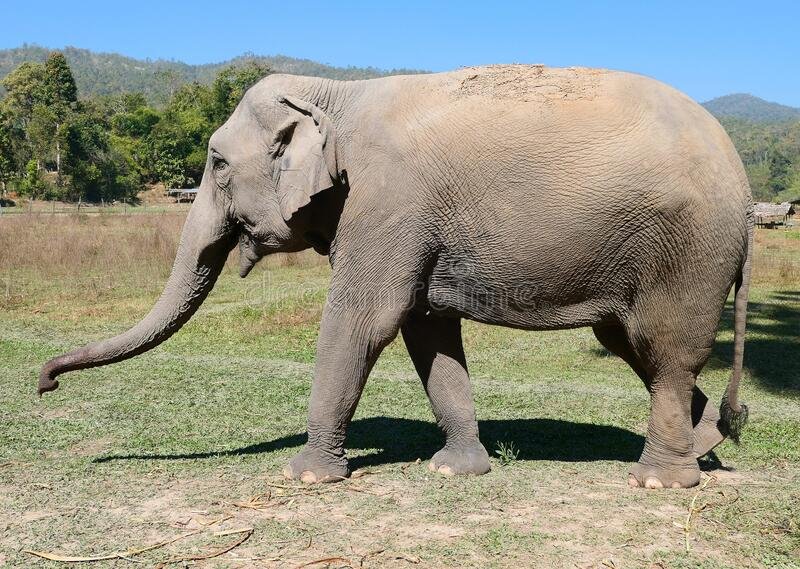

Sri Lankan authorities have arrested three men for their alleged involvement in the brutal killing of a wild elephant that was burned alive. The shocking incident has triggered widespread anger both within the country and internationally.
A disturbing video showing the injured elephant being set on fire recently went viral on social media. The footage sparked immediate condemnation from wildlife lovers, conservationists, and the general public.
Arrests Made After Viral Video
Police said the suspects, aged between 42 and 50, were arrested from the Anuradhapura district. They have been charged with animal cruelty and have been placed on remand until December 24, 2025.
Authorities confirmed that the arrests followed an investigation launched after the video circulated widely online. Law enforcement agencies worked alongside wildlife officials to identify and detain those responsible.
Rescue Efforts Failed to Save Elephant
Emergency responders and veterinary surgeons rushed to help the injured elephant after the incident came to light. Despite their efforts, the animal succumbed to its injuries due to the severity of burns and trauma.
Wildlife activists described the incident as one of the most horrific acts of cruelty seen in recent years. Many called for the strictest punishment allowed under the law to deter future crimes against wildlife.
Elephants Hold Special Status in Sri Lanka
Sri Lanka is home to nearly 7,000 wild elephants, and the animal holds deep cultural, religious, and national importance. Elephants are protected under Sri Lankan law and are considered a national treasure.
The killing of an elephant is classified as a serious criminal offence. Under existing laws, such an act is punishable by death. However, since Sri Lanka has not carried out executions since 1976, death sentences are automatically reduced to life imprisonment.
Rising Elephant Deaths Despite Strict Laws
Despite strong legal protections, elephant deaths continue at an alarming rate. Official data shows that nearly 400 elephants are killed every year in Sri Lanka. Causes include human-wildlife conflict, illegal killings, and habitat loss.
Conservationists warn that without stronger enforcement, public awareness, and better wildlife protection strategies, these numbers may not decline anytime soon.
The latest incident has once again raised urgent questions about wildlife safety, law enforcement effectiveness, and the need for harsher action against animal cruelty.
