

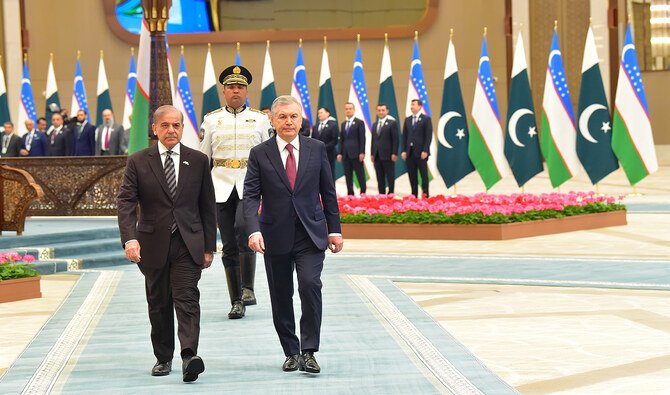

Pakistan and Uzbekistan have reached an agreement to expand their existing Preferential Trade Agreement, marking a significant step toward strengthening bilateral trade and investment ties. Officials described the move as a major boost to economic cooperation between the two countries.
According to details that emerged on Tuesday, the expanded Preferential Trade Agreement will broaden the scope of tariff concessions and market access. As a result, both sides expect stronger trade flows and deeper business engagement in key sectors.
Officials said the agreement reflected sustained diplomatic and economic efforts under Pakistan’s Special Investment Facilitation Council. They added that these initiatives have led to visible improvements in Pakistan’s international economic outreach and investor confidence.
Ambitious Trade Target Set
To accelerate bilateral commerce, Pakistan and Uzbekistan have set a target of increasing their trade volume to $2 billion within the next two years. Currently, trade between the two countries remains below its potential, despite growing interest from the private sector.
Therefore, both governments agreed to focus on removing structural and procedural barriers. Officials stressed that smoother trade mechanisms would encourage exporters and importers on both sides to expand operations.
In addition, authorities highlighted the importance of predictable policies to attract long-term investment. They said the expanded PTA would provide greater certainty for businesses planning cross-border ventures.
Focus on Customs and Digital Connectivity
As part of the agreement, Pakistan and Uzbekistan placed special emphasis on customs coordination. Both sides agreed to streamline clearance procedures to reduce delays and lower transaction costs.
Moreover, the two countries plan to enhance digital connectivity between customs authorities. They aim to introduce real-time data exchange systems to improve transparency and efficiency in trade processes.
Officials said digital integration would help prevent bottlenecks at borders. It would also allow traders to track consignments more effectively and comply with regulatory requirements.
Priority Sectors for Cooperation
Uzbekistan has identified several priority sectors for joint projects and technology transfer. These include textiles, leather goods, pharmaceuticals, and surgical instruments.
Sources said collaboration in these sectors would create value-added production and open new export markets. Pakistan’s manufacturing base and Uzbekistan’s regional access could complement each other effectively.
Furthermore, officials noted that joint ventures would encourage skill development and technology sharing. They added that such cooperation could strengthen regional supply chains and reduce reliance on distant markets.
Investor Confidence Expected to Rise
Sources familiar with the agreement said the expansion of the PTA would boost Pakistan’s overall trade volume. They added that it would also reinforce the confidence of foreign and regional investors.
The agreement signals a broader commitment by both countries to economic integration. Analysts believe it could serve as a model for Pakistan’s trade engagement with other Central Asian states.
Going forward, officials said both sides would continue regular consultations to monitor progress. They expressed optimism that the revised trade framework would translate into tangible economic gains for Pakistan and Uzbekistan.
