

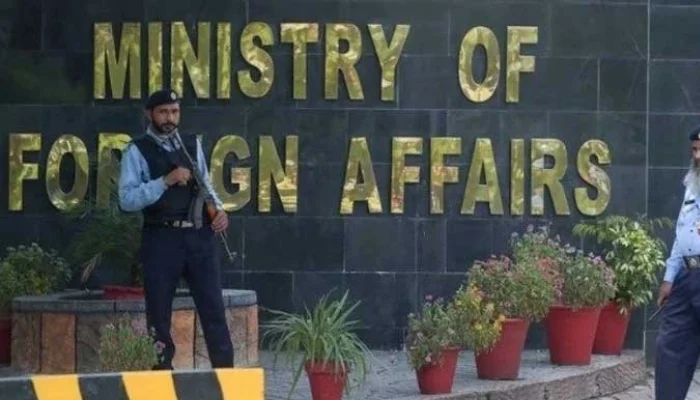

Pakistan on Thursday welcomed a resolution by Afghan scholars at Kabul University pledging not to allow Afghan soil to be used for cross-border attacks. In his weekly briefing, Foreign Office spokesperson Tahir Hussain Andrabi called the move a “positive development” but cautioned that past commitments by the Afghan Taliban regime had not been honored.
He emphasized that the resolution, while encouraging, does not replace Islamabad’s demand for written assurances from Kabul that Afghan territory will not be used by terrorist groups to launch attacks inside Pakistan.
Andrabi reaffirmed Pakistan’s support for the Afghan people and stated that Islamabad remains ready to provide humanitarian assistance when needed. Tensions between the two countries have been high, largely due to continued attacks inside Pakistan allegedly carried out by Afghan nationals.
The situation escalated in October when border clashes resulted in significant casualties on both sides, including over 200 Afghan Taliban and affiliated militants killed by Pakistani retaliatory strikes and 23 Pakistani soldiers martyred defending their posts. A ceasefire has been in place since, but no formal agreement has been reached to prevent cross-border attacks.
Separately, Andrabi addressed extradition matters, noting that Pakistan does not have a formal extradition treaty with the United Kingdom. This comes amid Islamabad’s efforts to secure the return of former special assistant to the prime minister Mirza Shahzad Akbar and retired Major Adil Raja, both wanted in separate cases.
Interior Minister Mohsin Naqvi handed over extradition requests to UK High Commissioner Jane Marriott, stressing that the individuals are wanted in Pakistan. Andrabi noted that extradition requests could be processed on a case-by-case basis.
Akbar, a former aide to ex-Prime Minister Imran Khan, has been living in London since April 2022, while Raja, convicted under the Pakistan Army Act, 1952, resides in the UK following his sentencing through a Field General Court Martial.
