

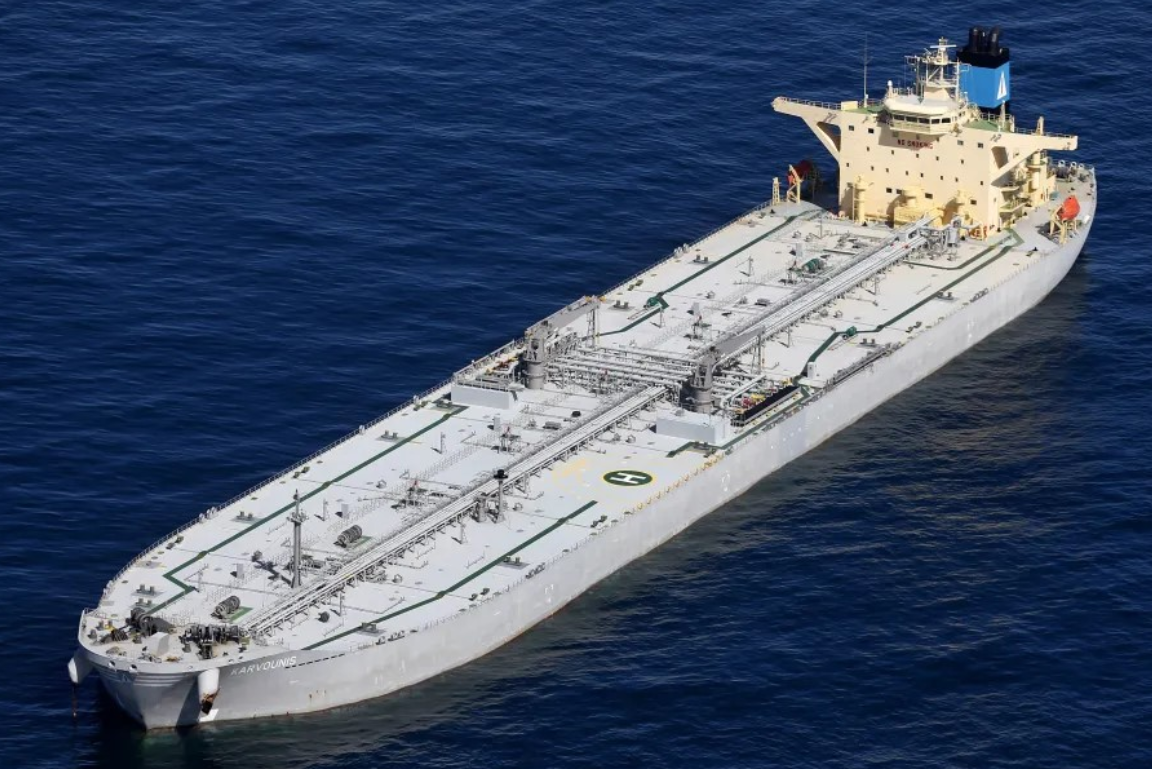

The United States has seized a sanctioned oil tanker near the coast of Venezuela. The move intensified tensions between Washington and Caracas. It also pushed oil prices higher during global market trading. The action marked a significant escalation during a period of growing military activity in the region.
US President Donald Trump confirmed the operation and described the vessel as one of the largest ever seized. He added that further developments were underway, which increased speculation about future actions. The remark about keeping the oil drew global attention and raised questions about the next steps.
How the Operation Unfolded
Security agencies carried out the seizure with support from US military units. A short video circulating online showed helicopters approaching the tanker. Armed personnel then descended onto the ship during the operation. The coordinated action suggested high-level execution and planning.
The vessel was not officially named by authorities. However, maritime risk analysts identified it as the Skipper. The tanker had earlier loaded over a million barrels of crude oil from Venezuela’s main port. Its previous sanctions history linked it to shipments involving Iranian oil.
Oil Markets React Quickly
Oil prices moved upward soon after the news. Brent crude and US benchmark crude both recorded modest gains. The increase reflected concerns over supply disruptions during a fragile global energy environment.
Analysts noted that the seized cargo was already delayed. Therefore, the long-term supply impact might remain limited. Even so, the incident added another layer of uncertainty to an already volatile oil market.
Venezuela’s Oil Sector Under Pressure
Venezuela continues to rely heavily on oil exports for revenue. The country has struggled with declining output and discounted crude prices. Buyers in Asia often demand lower rates due to competition from other sanctioned oil suppliers.
Despite mounting pressure, Venezuela’s export levels recently reached one of their highest points this year. Increased imports of blending agents helped boost production. The US did not previously move to block Venezuelan oil shipments, which makes this action more notable.
Political Stakes Grow Higher
The seizure fits into broader US pressure aimed at weakening President Nicolas Maduro. He has accused the United States of preparing for intervention and trying to control Venezuela’s natural resources.
Meanwhile, US forces have carried out multiple strikes against suspected drug vessels in nearby waters. These actions have sparked debate over legality and transparency. Critics argue that insufficient evidence has been shared to justify these lethal operations.
Concerns increased after reports that survivors of one strike were targeted again. The incident drew criticism from legal experts and human rights observers.
Public Response in the US
A recent nationwide survey indicated that many Americans oppose the use of deadly force in maritime operations. The opposition spanned political lines, including a portion of the president’s supporters.
Despite public concerns, the administration has emphasized a renewed focus on the Western Hemisphere. Officials describe the strategy as a push to reinforce regional influence.
What This Means Going Forward
The tanker seizure signals a new phase in US-Venezuela tensions. It could affect future oil shipments, trade routes, and diplomatic negotiations. Energy analysts will watch closely to gauge whether more vessels will be targeted.
Although the immediate impact on global supply might remain limited, the geopolitical implications are considerable. The action adds pressure to a region already strained by military activity and economic instability.
