

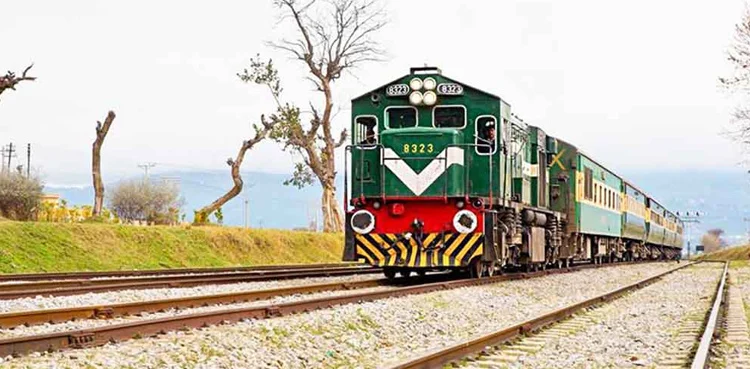

ISLAMABAD: Pakistan Railways (PR) has recorded its highest daily revenue in three decades, generating approximately Rs 300 million per day over the past 15 days. Railways Minister Hanif Abbasi attributes this surge to an intensive eight-month reform campaign that boosted earnings across both passenger and freight operations. The momentum also reflects improved service delivery and financial discipline within the organisation.
Digitalisation Accelerates System Efficiency
PR has undergone full-scale digitalisation nationwide, transforming ticketing, freight booking and operational workflows. The digital shift aims to minimise leakages, improve transparency and enhance customer experience. Abbasi notes that these upgrades represent a core pillar of the organisation’s modernisation strategy, enabling PR to operate with greater speed, accuracy and revenue retention.
Infrastructure Upgrades Move Forward
The railway is preparing to launch extensive track rehabilitation. Key agreements to upgrade the Nokundi–Rohri and Rohri–Karachi sections have already been finalised, signalling significant progress in network renewal. These upgrades are expected to reduce travel time, expand freight capacity and strengthen the national transport corridor.
Outsourcing Expands Through PPP Model
As part of a broader shift toward public-private partnerships, PR plans to outsource its schools and hospitals, and may extend this model to selected trains and service segments. The goal is to modernise educational and healthcare facilities for railway employees’ families, elevate service standards and redirect PR’s financial and administrative focus toward core rail operations.
Sustained Gains Strengthen Long-Term Outlook
This 15-day revenue achievement builds on PR’s historic Rs 93 billion earnings in FY 2024–25, the highest in its 78-year history. Abbasi asserts that consistent gains reflect PR’s steady turnaround driven by structural reforms, efficiency improvements and targeted investments. The railway now positions itself to meet evolving national transportation and trade demands through sustained modernisation.
